The Maldives has long faced a major challenge: limited land space combined with a rapidly growing population. To solve this issue, the country has turned to large-scale land reclamation projects that create new urban areas in the ocean. Two of the most significant developments are Ras Malé and Hulhumalé.
Both projects are designed to expand the Greater Malé Region and provide housing, infrastructure, and economic opportunities. However, many people are now asking an important question: Ras Malé vs Hulhumalé — which project is bigger?
While Hulhumalé has already become one of the most important urban areas in the Maldives, Ras Malé is expected to surpass it in scale and long-term impact.
Understanding Hulhumalé
Hulhumalé is one of the most successful land reclamation projects ever undertaken in the Maldives. Located close to the capital city of Malé, Hulhumalé was created to reduce overcrowding in the capital and provide modern housing solutions.
The development of Hulhumalé took place in two main phases. Phase One created the initial residential island, while Phase Two expanded the island with additional land reclamation and infrastructure development.
Today, Hulhumalé is home to thousands of residents and includes modern apartment buildings, schools, hospitals, parks, and commercial areas. It has become a key part of the Greater Malé urban region.
Introduction to Ras Malé
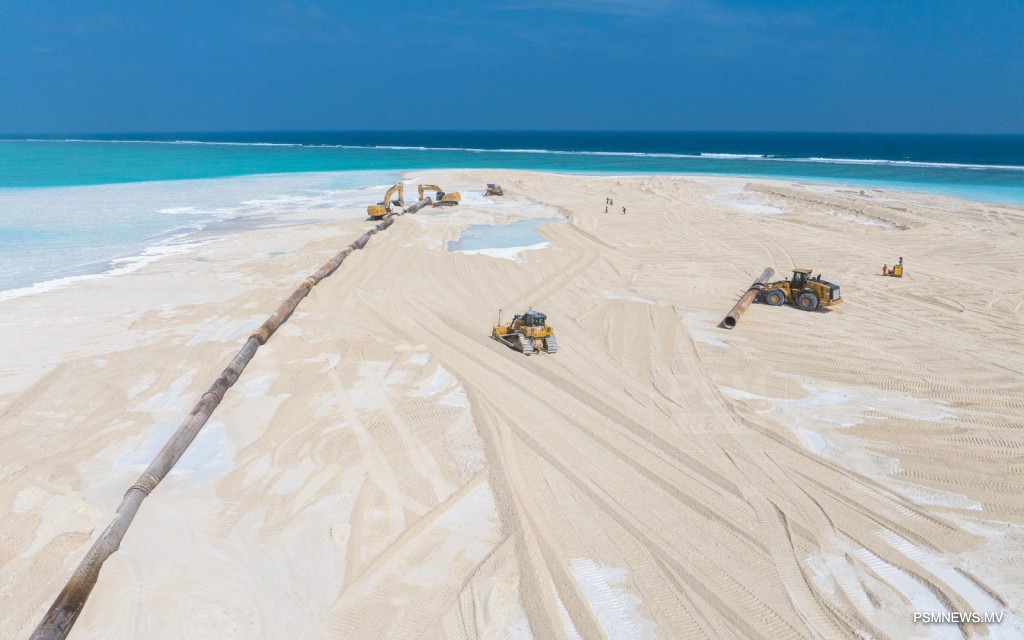
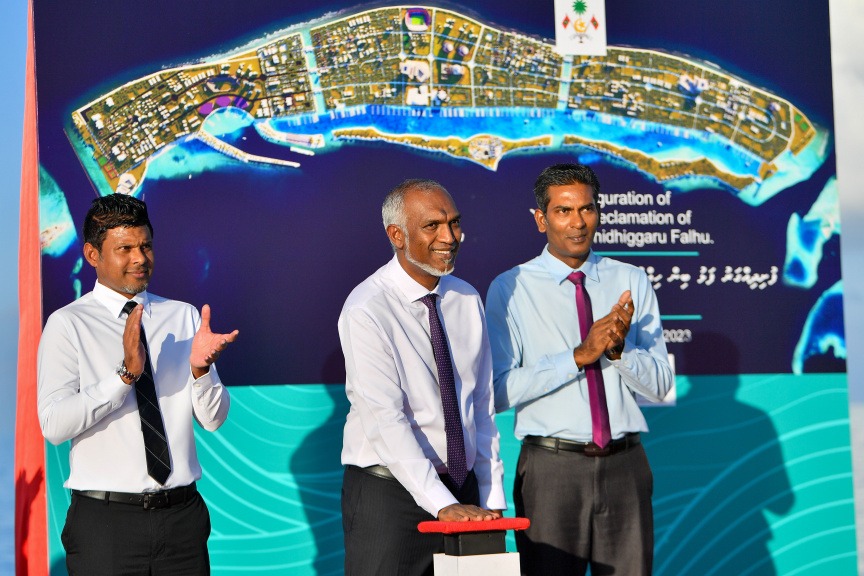
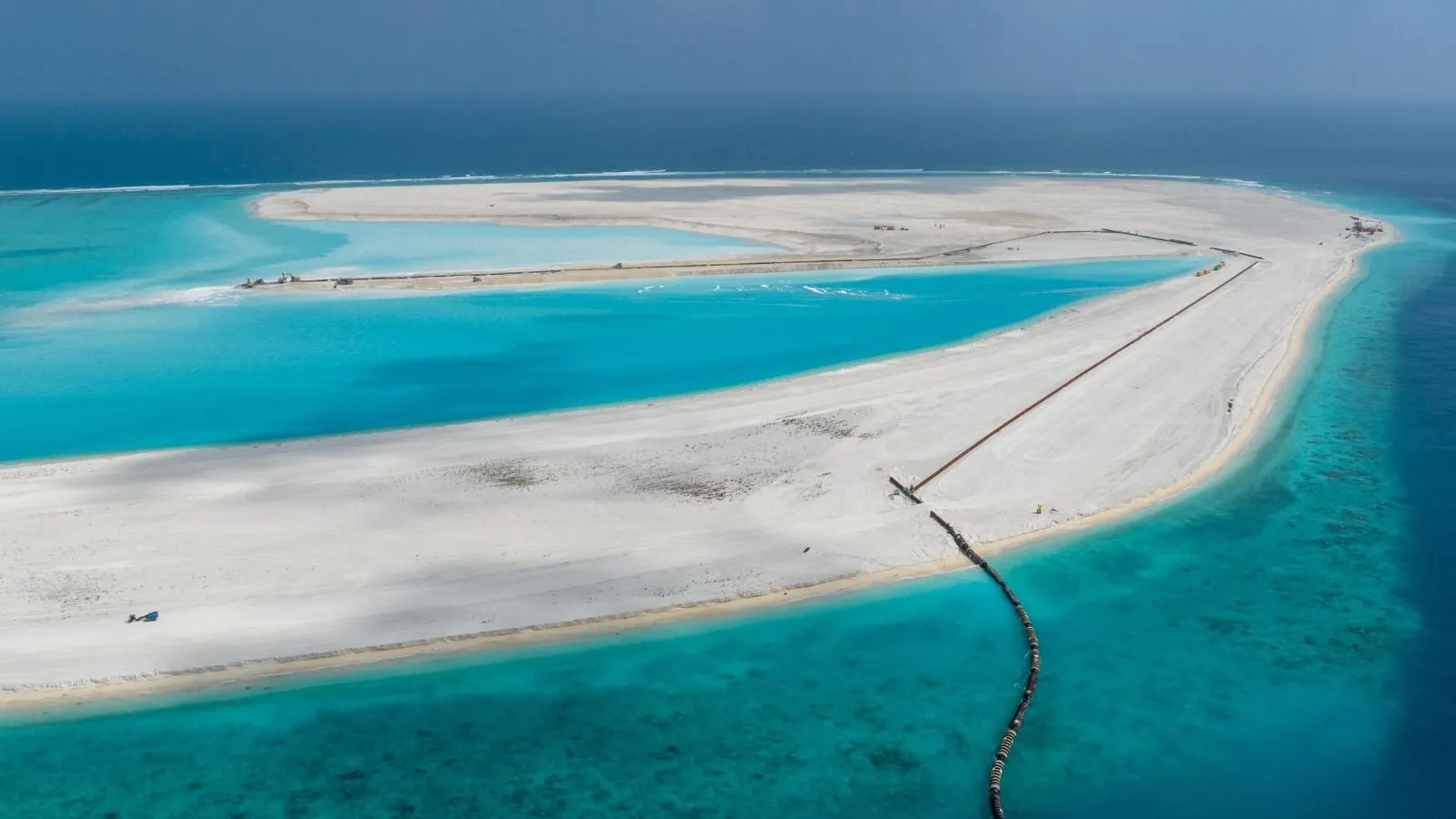
Ras Malé is the newest large-scale development planned for the Maldives. The project is currently being created through land reclamation in the Fushi Dhiggaru Lagoon near Malé.
The goal of Ras Malé is to build a fully planned eco city that can support a large population while maintaining environmental sustainability. The development will include housing, infrastructure, commercial zones, and public spaces designed to create a modern urban environment.
Because of its enormous size and ambitious vision, Ras Malé is expected to become one of the most important urban expansion projects in the country.
Comparing the Size of Ras Malé and Hulhumalé
One of the biggest differences between Ras Malé and Hulhumalé is the overall land area of the developments.
Hulhumalé was developed in two phases, with a combined land area that transformed the island into a major residential city. However, the total land area of Ras Malé is expected to be significantly larger.
- Ras Malé Total Area: Approximately 1,150 hectares
- Hulhumalé Total Area (Phase 1 & 2 combined): Significantly smaller than Ras Malé
In fact, Ras Malé is estimated to be nearly three times larger than the combined landmass of the two phases of Hulhumalé. This makes it one of the largest land reclamation projects ever planned in the Maldives.
Housing Capacity Comparison
Another major factor when comparing Ras Malé vs Hulhumalé is the number of housing units each project can support.
Hulhumalé has already provided thousands of housing units and continues to grow as new apartment complexes are constructed. However, Ras Malé is being designed to support an even larger population.
The Ras Malé eco city project is expected to deliver approximately 65,000 housing solutions. This large number of residential units is intended to help address the housing shortage currently affecting the Greater Malé Region.
Because of its scale, Ras Malé may eventually become one of the largest residential areas in the country.
Urban Planning and Infrastructure
Both Hulhumalé and Ras Malé are examples of modern urban planning in the Maldives. Unlike older cities that grew gradually over time, these developments are carefully designed before construction begins.
Hulhumalé includes wide roads, organized residential zones, public parks, and modern infrastructure systems. These features make it one of the most livable urban areas in the country.
Ras Malé is expected to follow a similar approach but with even more advanced planning. Because the city is still in its early development stages, planners have the opportunity to integrate new technologies and sustainability measures into the design.
Future infrastructure in Ras Malé may include improved transportation networks, modern utilities, green public spaces, and environmentally friendly building designs.
Environmental Considerations
Environmental sustainability is becoming increasingly important for urban development in the Maldives. Rising sea levels and environmental challenges mean that new cities must be designed with resilience and sustainability in mind.
Hulhumalé already includes green spaces and coastal protection measures. Ras Malé is expected to take this concept even further by incorporating eco-friendly planning into the city’s foundation.
This is one of the reasons the project is often referred to as the Ras Malé Eco City. The goal is to create an urban environment that supports both economic growth and environmental protection.
Economic Impact of the Two Projects
Both Hulhumalé and Ras Malé have significant economic importance for the Maldives. Large infrastructure and development projects create employment opportunities in construction, engineering, and urban planning.
Hulhumalé has already become a major center for residential living, business activity, and tourism-related services. As the city continues to develop, its economic contribution will likely increase.
Ras Malé is expected to generate similar economic benefits but on a larger scale. As construction progresses, the project will create new opportunities for businesses, investors, and service providers.
In the long term, the development of Ras Malé could significantly expand the economic capacity of the Greater Malé Region.
Transportation and Connectivity
Transportation links play an important role in the success of large urban projects. Hulhumalé is already well connected to Malé through bridges, roads, and ferry services.
Future connectivity plans for Ras Malé will likely focus on ensuring easy access between the new city and surrounding islands. Efficient transportation will allow residents to commute for work, education, and services.
Improved connectivity between Malé, Hulhumalé, and Ras Malé could create a more integrated metropolitan region.
The Future of Urban Expansion in the Maldives
The development of Hulhumalé marked an important milestone in the Maldives’ urban planning strategy. It demonstrated that land reclamation could successfully create modern cities capable of supporting large populations.
Ras Malé represents the next step in this strategy. With a larger land area and long-term development plans, the project could become the country’s most significant urban expansion initiative.
As the population continues to grow and economic activity increases, new cities like Ras Malé will play an important role in shaping the future of the Maldives.
Conclusion
When comparing Ras Malé vs Hulhumalé, it becomes clear that both projects are essential for the future of the Greater Malé Region. Hulhumalé has already proven the success of large-scale land reclamation and urban planning.
However, Ras Malé is expected to surpass Hulhumalé in terms of size and long-term housing capacity. With an estimated 1,150 hectares of land and plans for 65,000 housing units, Ras Malé could become the largest urban development project in the Maldives.
Together, these two mega projects represent the Maldives’ strategy for addressing land shortages, reducing overcrowding, and creating modern urban environments for future generations.