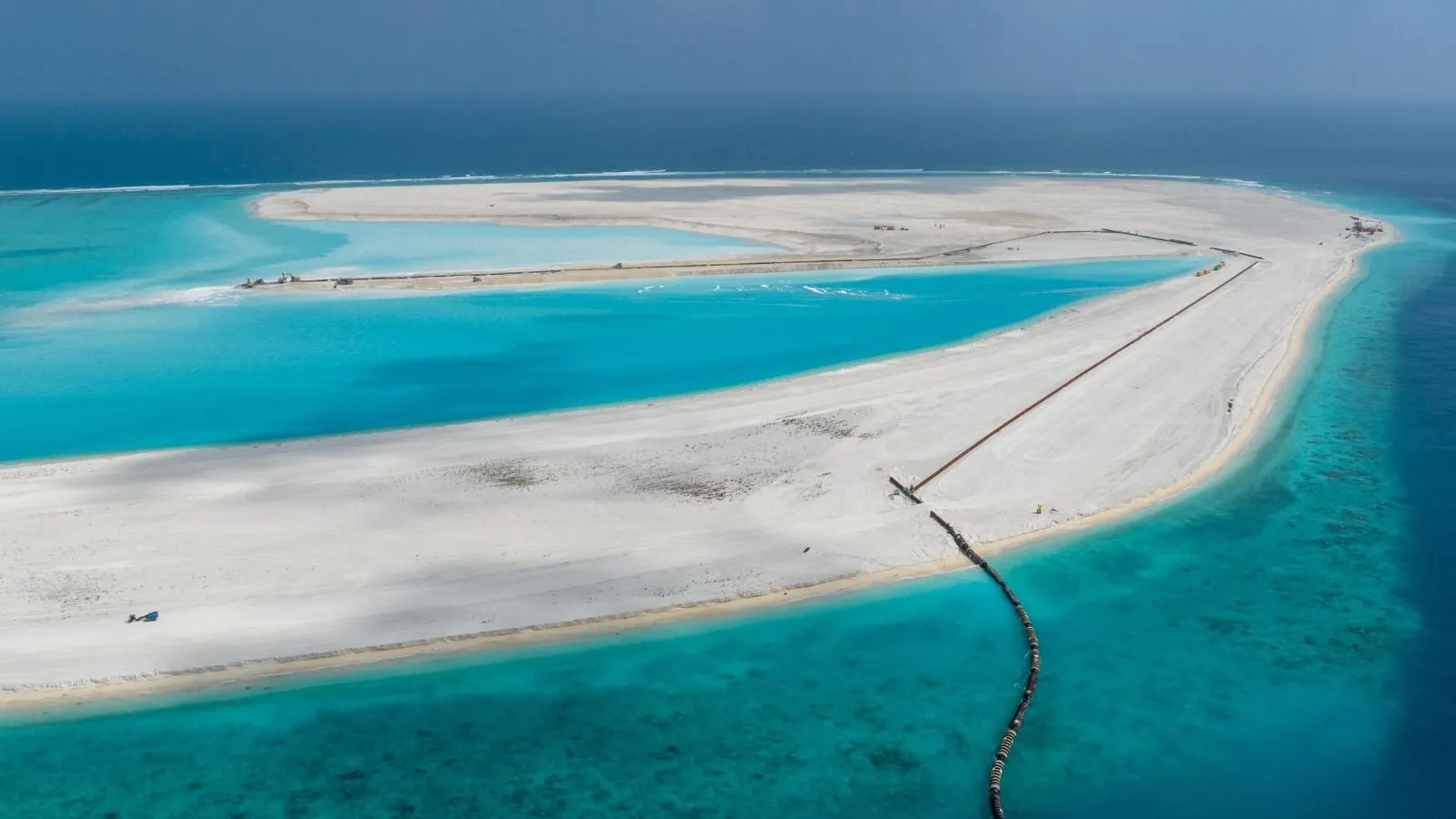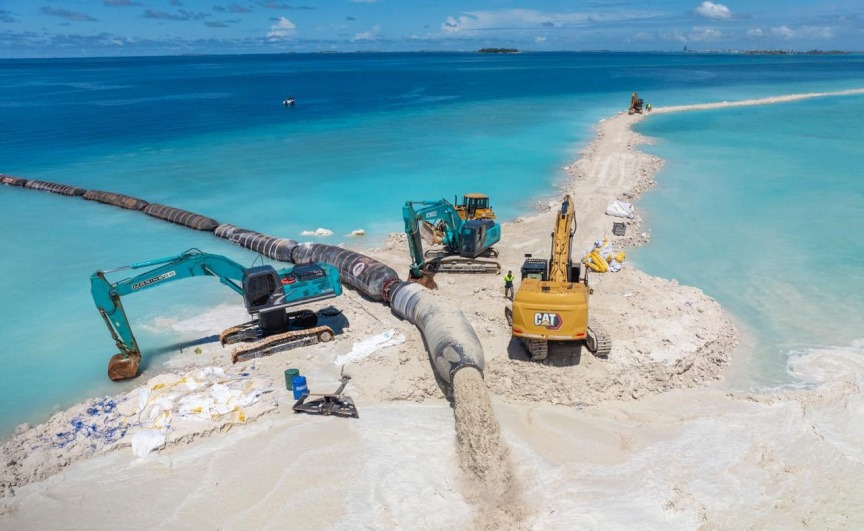
The Ras Malé Eco City is the Maldives’ largest land reclamation project, designed to provide modern housing and urban solutions for tens of thousands of residents. Beyond housing, the project focuses on developing comprehensive infrastructure, including roads, utilities, and public facilities. Understanding these plans is key for residents, investors, and policymakers.
Road Networks and Connectivity
Ras Malé’s road system is designed to support efficient transportation across the city. Key features include:
- Main Arterial Roads: Wide roads connecting residential areas to commercial hubs and public facilities.
- Secondary Roads: Neighborhood roads providing access to individual housing complexes.
- Bridges and Links: Planned connections to Malé and Hulhumalé to ensure smooth commuting and integration with the Greater Malé Region.
- Public Transport Routes: Designated lanes for buses and water taxis to promote eco-friendly transport.
This road network ensures residents can move efficiently between homes, workplaces, schools, and recreational areas.
Utilities Planning
Modern utilities are essential for a functioning city. Ras Malé infrastructure plans include:
- Electricity: Stable power supply with renewable energy integration to reduce environmental impact.
- Water Supply: Safe drinking water distribution, including desalination where necessary.
- Wastewater Management: Efficient sewage systems and wastewater treatment to maintain hygiene and sustainability.
- Waste Management: Recycling programs, waste collection points, and eco-friendly disposal methods.
- Telecommunications: Broadband and mobile connectivity to support residential, business, and administrative needs.
These utilities ensure that Ras Malé can support large populations and modern urban lifestyles.
Public Facilities in Ras Malé
The city’s planning includes a range of public facilities to serve residents and create a self-sufficient urban environment:
- Educational Facilities: Schools, colleges, and vocational training centers distributed throughout the city.
- Healthcare: Hospitals, clinics, and emergency care centers to meet medical needs.
- Recreation and Parks: Public parks, sports facilities, and community centers for leisure and fitness.
- Commercial Hubs: Retail outlets, offices, and marketplaces integrated into residential zones.
- Administrative Centers: Government offices, utility management centers, and community services.
By including these facilities, Ras Malé ensures residents can access essential services without having to travel long distances to Malé.
Integration With Sustainable Urban Planning
Ras Malé’s infrastructure is being developed with sustainability in mind. Eco-friendly initiatives include:
- Green public spaces between residential and commercial areas
- Energy-efficient street lighting and building codes
- Stormwater management systems to prevent flooding
- Renewable energy sources such as solar panels integrated into public buildings
These measures align with the Maldives’ environmental goals and create a modern, livable city.
Transportation and Commuting Options
The infrastructure also emphasizes convenient commuting. Planned transport options include:
- Public bus routes connecting neighborhoods
- Water taxis and ferries linking Ras Malé with Malé and surrounding islands
- Designated pedestrian and cycling lanes to promote healthy mobility
- Efficient road layouts to minimize traffic congestion
These features aim to make commuting faster, safer, and more environmentally friendly for residents.
Phased Infrastructure Development
Ras Malé’s infrastructure is being developed in phases to match land reclamation and residential construction. Key phases include:
- Phase 1: Establishing primary roads, utility lines, and essential public facilities in reclaimed areas.
- Phase 2: Expanding roads, utilities, and public services as more housing and commercial zones become ready.
- Phase 3: Completing full connectivity, secondary roads, and additional public facilities across the entire city.
This phased approach ensures that infrastructure grows in parallel with population and residential developments.
Economic and Social Impact of Infrastructure
Well-planned infrastructure directly affects the city’s economy and quality of life. Benefits include:
- Improved property value for housing and commercial spaces
- Creation of jobs during construction and maintenance of utilities and facilities
- Better public health and safety due to modern water, waste, and healthcare systems
- Enhanced lifestyle opportunities with parks, schools, and recreational areas
Investors and residents benefit from a city designed for long-term growth and stability.
Monitoring and Maintenance
Maintaining infrastructure is crucial for sustainable urban growth. Ras Malé includes plans for:
- Regular inspection of roads and utility networks
- Maintenance of public facilities and parks
- Upgrades to accommodate population growth and technological advancements
- Environmental monitoring to ensure sustainability of utilities and services
This ensures Ras Malé remains safe, functional, and eco-friendly over time.
Conclusion
The Ras Malé Eco City infrastructure is central to its success as a sustainable and modern urban development. With well-planned roads, reliable utilities, and accessible public facilities, Ras Malé is set to provide a high-quality living environment while supporting economic growth in the Greater Malé Region.
Residents, investors, and policymakers can expect a city that is not only spacious and modern but also efficient, eco-friendly, and integrated into the Maldives’ larger urban ecosystem. Proper infrastructure planning ensures that Ras Malé will remain a livable, vibrant, and sustainable city for decades to come.