The Maldives is no stranger to bold land reclamation and urban expansion, but Rasmale stands out as one of the most ambitious development projects ever undertaken in the country. Positioned as a future eco city designed to ease housing pressure in the Greater Malé Region, Rasmale is rapidly becoming one of the most closely watched infrastructure and real estate developments in the Maldives.
With reclamation works underway, thousands of housing units planned, and strong government backing, Rasmale is expected to reshape how Malé grows over the coming decades. In this comprehensive guide, we break down what Rasmale is, its current progress, future plans, investment potential, and what residents and investors should realistically expect.
What Is Rasmale?
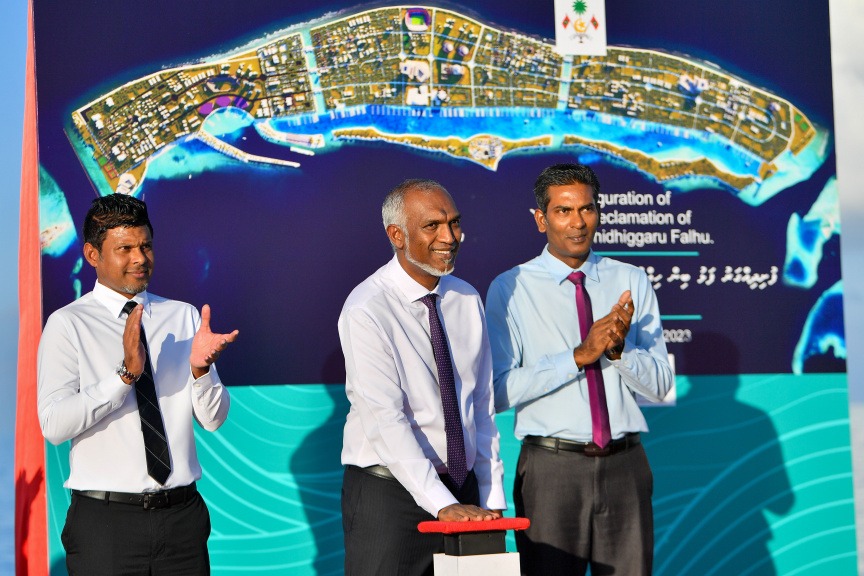
Rasmale is a large-scale land reclamation and urban development project located in the Fushi Dhiggaru Lagoon near the capital region of the Maldives. The project is being developed by the Housing Development Corporation (HDC) as part of the government’s long-term strategy to expand the Greater Malé urban footprint.
Often described as the Maldives’ next eco city, Rasmale is designed to:
- Reduce housing congestion in Malé
- Provide new residential land plots
- Create modern urban infrastructure
- Support sustainable city planning
- Expand economic activity near the capital
Unlike traditional resort reclamation, Rasmale is primarily focused on urban living and housing development, making it strategically important for the country’s population growth.
Why Rasmale Matters for the Maldives
Severe Housing Pressure in Malé
The capital **Malé is one of the most densely populated cities in the world. Limited land availability has driven:
- Extremely high land prices
- Overcrowded residential blocks
- Long waiting lists for housing
- Rising rental costs
- Rasmale is being positioned as a major relief valve for this pressure.
- Strategic Urban Expansion
The Greater Malé Region has already expanded through:
- Hulhumalé Phase 1
- Hulhumalé Phase 2
- Gulhifalhu development
Rasmale represents the next frontier of planned urban growth, potentially supporting tens of thousands of residents in the future.
Current Progress of the Rasmale Project (2025–2026)
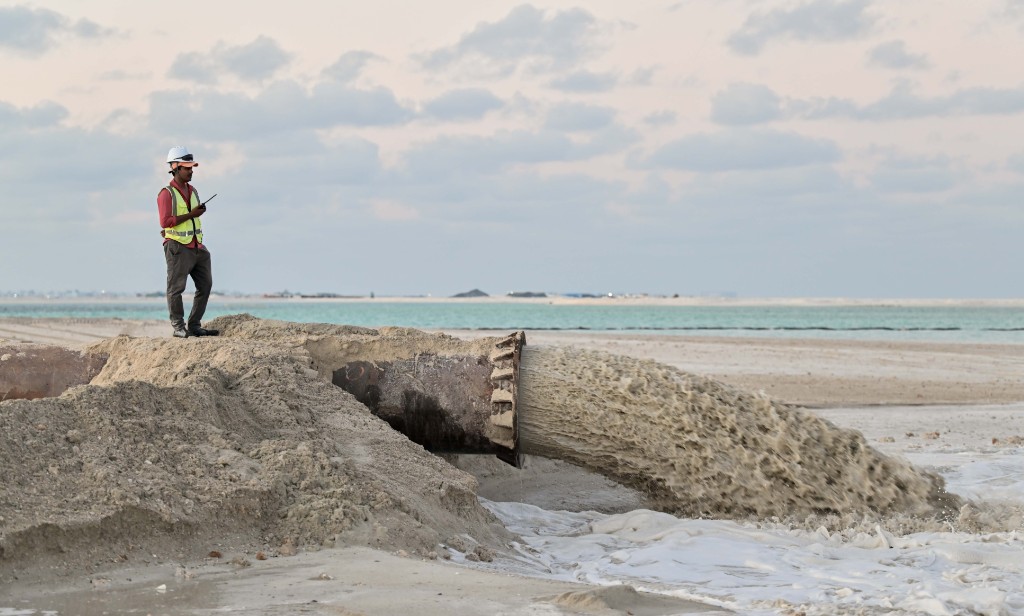
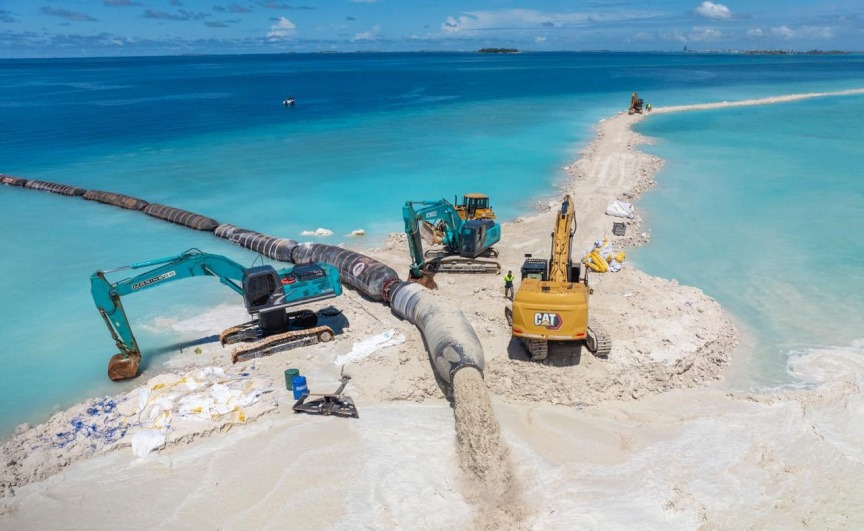
As of early 2026, Rasmale remains primarily in the land reclamation phase, but meaningful physical progress has been reported.
Reclamation Status
Recent updates indicate:
- Site A reclamation is actively ongoing
- More than 60 hectares of Site A have been reclaimed
- Overall project progress is estimated at roughly one-third complete
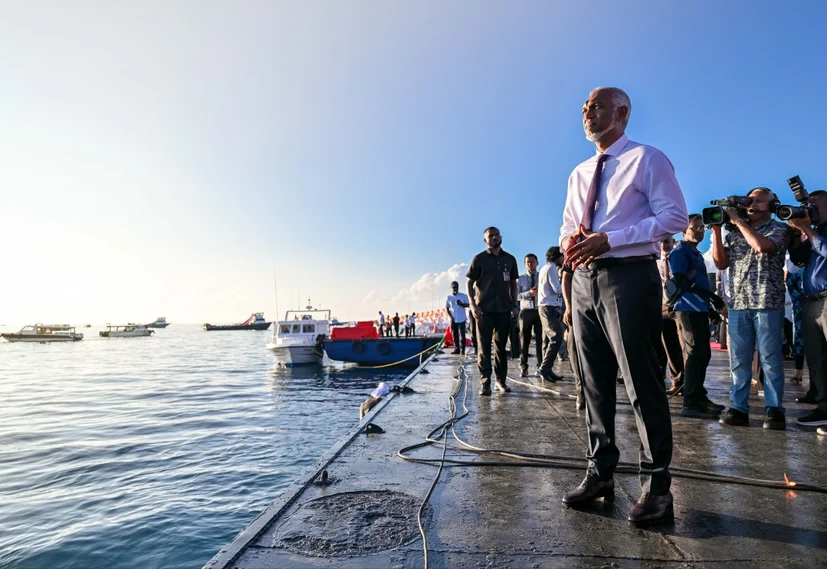
- Works officially commenced in late 2025
- This means the project is moving forward but still in early-stage development.
What Has NOT Started Yet
- It is important for investors and the public to understand that:
- Vertical housing construction has not begun
- Plot handovers are not yet underway
- Major road networks are still in planning
- Utility infrastructure is still pending
In short, Rasmale is progressing — but patience will be required.
Master Plan and Housing Targets
One of the biggest reasons Rasmale is generating attention is its scale.
Planned Housing Supply
- Government-linked plans indicate the project may include:
- Approximately 15,000 residential land plots
- Around 7,000 housing units
- Mixed-use urban zones
- Public infrastructure and services
If fully realized, Rasmale could house a population comparable to a medium-sized Maldivian island city.
Eco City Vision
Rasmale is being promoted as a sustainable urban island, with planning expected to include:
- Green urban design
- Climate-resilient infrastructure
- Modern drainage and utilities
- Planned road networks
- Community facilities
However, detailed public master plan releases remain limited, and many specifics are still evolving.
Location Advantage of Rasmale
Location is one of Rasmale’s strongest strategic advantages.
Proximity to Greater Malé
Rasmale sits within the Greater Malé development zone, near:
- Hulhumalé
- Malé
- Velana International Airport
This proximity is critical because future residents will depend heavily on connectivity to the capital for:
- Employment
- Education
- Healthcare
- Business
Future Connectivity Potential
While final transport links are still under development, long-term expectations may include:
Causeway or bridge connections
High-speed ferry services
Integrated public transport
Connectivity will ultimately determine how successful Rasmale becomes as a residential hub.
Environmental Considerations and Concerns
No major reclamation project in the Maldives comes without environmental scrutiny, and Rasmale is no exception.
Marine and Reef Impact
Public discussions have raised concerns about:
Dredging impacts on coral reefs
Lagoon ecosystem disruption
Sedimentation effects
Marine biodiversity risks
Authorities have also issued safety warnings to avoid diving in active dredging zones.
Sustainability Commitments
Project planners emphasize that Rasmale is intended to be an eco-conscious development. Expected sustainability features may include:
- Climate-resilient elevation
- Improved drainage systems
- Managed coastal protection
- Urban green planning
However, environmental monitoring will remain a key issue to watch.
Investment Potential of Rasmale
Many investors in the Maldives are closely watching Rasmale for future opportunities.
Why Investors Are Interested
Rasmale has several attractive fundamentals:
- Close to the capital
- Government-backed development
- Large-scale housing demand
- Limited land supply in Greater Malé
- Early-stage entry opportunity
Historically, similar projects like Hulhumalé saw significant land value appreciation over time.
Risks Investors Should Understand
At the same time, Rasmale carries early-stage risks:
Timeline uncertainty
Infrastructure dependency
Policy changes
Environmental factors
Market absorption pace
Smart investors are taking a long-term view rather than expecting quick returns.
Expected Development Timeline
While no fully fixed timeline has been officially guaranteed, realistic expectations based on similar projects would be:
Short Term (2026)
- Continued land reclamation
- Initial infrastructure planning
- Regulatory and zoning work
Medium Term (2026–2028)
- Primary road network development
- Utility installation
- Possible first housing phases
- Plot allocation announcements
Long Term (2028–2035)
- Full residential build-out
- Commercial zone growth
- Population settlement
- Mature urban ecosystem
Large reclamation cities in the Maldives historically take years, not months, to fully mature.