Editorial & Transparency Disclosure: This comprehensive property guide is published independently by visitrasmale.com for educational and informational purposes. The information contained herein is synthesized from public regulatory notices, masterplan blueprints released by the Ministry of Housing, Land and Urban Development, and infrastructure guidelines established by the Housing Development Corporation (HDC). This publication is not directly affiliated with or endorsed by the Government of Maldives.
Last Major Update: 2026 | Fact-Checked & Reviewed By: Real Estate & Urban Planning Analysis Team
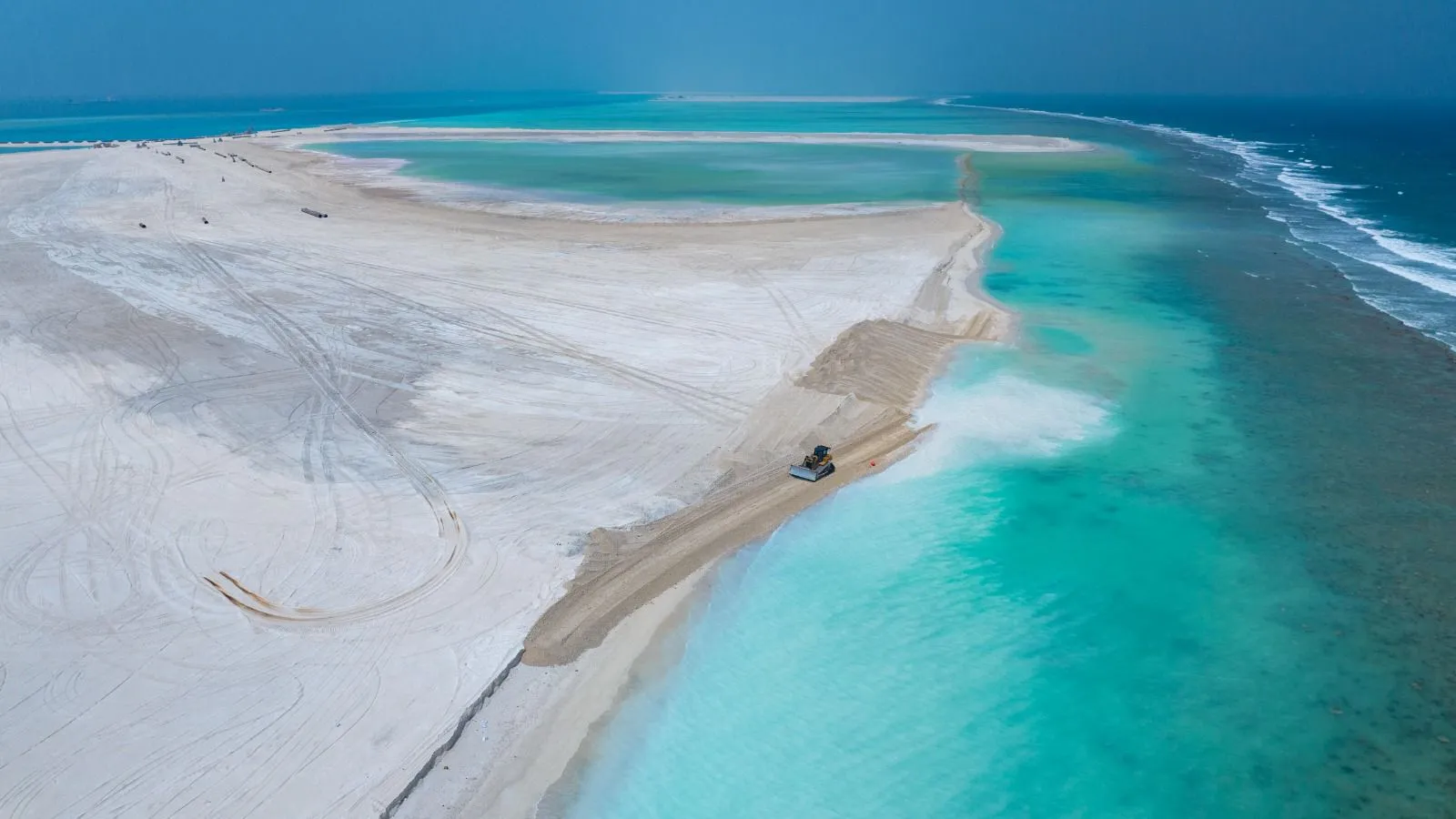
As the largest land reclamation and urban expansion initiative in the history of the Republic of Maldives, Ras Malé (Fushi Dhiggaru Lagoon) represents a transformative shift in the nation’s residential and commercial property markets. Conceived under the administration of President Dr. Mohamed Muizzu as a zero-carbon, eco-friendly smart city, the project targets the reclamation of over 1,100 hectares of land—creating an urban footprint approximately three times the combined size of Hulhumalé Phase 1 and Phase 2. Designed to host over 65,000 housing units alongside commercial ports, medical complexes, and luxury waterfront districts, Ras Malé is positioning itself as the primary housing and investment hub for the Greater Malé region over the next several decades.
For home buyers, real estate investors, business owners, and international corporate entities, understanding the legal frameworks, allocation mechanics, purchasing costs, and financing options in Ras Malé is critical before committing capital. This detailed guide breaks down every step required to navigate property acquisition in the Maldives’ flagship eco-city.
1. Understanding the Ras Malé Urban Masterplan & Property Typologies
The overarching objective of Ras Malé is to deliver a long-term solution to the severe land scarcity and high housing costs that have historically impacted Malé. Reclaimed across the shallow Fushi Dhiggaru Lagoon located south of Malé near the island of Gulhi, the city’s engineering incorporates a Safe Island Concept. To safeguard against projected sea-level rise, ocean swells, and storm surges, land elevation in Ras Malé is reclaimed to 2 meters above sea level at the island edges and 3 meters at the island center, exceeding the elevation parameters of earlier reclamation projects in the country.
The masterplan distributes property across several defined zones, catering to different market segments and income levels:
- Social & Affordable Housing Towers: High-density, multi-story residential complexes constructed under government housing schemes. These units are designated to alleviate congestion in Malé and provide affordable rental and ownership options to qualified Maldivian families.
- Mid-Density Private Residential Buildings: Medium-rise apartment developments built by private real estate firms on leased or purchased land. These cater to middle-income buyers, expats, and private landlords seeking rental income.
- Private Residential Land Plots: Freehold and leasehold land parcels allocated for individual homeowners seeking to construct custom single-family dwellings or private multi-story homes.
- Commercial & Mixed-Use Districts: Strategically situated zones around transit terminals, main boulevards, and waterfronts designed for corporate offices, retail stores, dining venues, and light commercial operations.
- Luxury Waterfront & Marina Estates: Low-density, high-end residential real estate situated along the outer lagoon perimeters, featuring deep-water access, private boat slips, and integrated resort-style amenities.
Key Infrastructure Takeaway: Ras Malé is master-planned as a zero-carbon smart city. Urban zoning mandates that at least 60% of the city’s energy grid be supplied by renewable sources (primarily solar PV arrays and integrated waste-to-energy systems). Internal transport relies strictly on electric buses, pedestrian walkways, and micro-mobility lanes, prohibiting conventional fossil-fuel land vehicles.
2. Property Ownership Laws & Eligibility Framework
Property rights and land allocation in the Maldives are governed by the Maldivian Land Act alongside specific municipal guidelines administered by the Housing Development Corporation (HDC) and the Ministry of Housing, Land and Urban Development. Eligibility to purchase or lease real estate in Ras Malé depends heavily on the buyer’s citizenship status and corporate structure.
| Buyer Category | Permissible Real Estate Types | Ownership / Tenure Structure |
|---|---|---|
| Maldivian Citizens (Individuals) | Social housing units, private residential land plots, commercial plots, private apartment units. | Freehold Title for residential land; full legal ownership for private apartments. |
| 100% Maldivian Entities | Commercial land, retail units, office buildings, light industrial & port plots. | Long-Term Leasehold (Typically up to 50 to 99 years) with renewal clauses. |
| Foreign Individuals & Companies | Commercial real estate, luxury marina condominiums, hotel/resort plots, mixed-use developments. | Long-Term Leasehold or approved Foreign Direct Investment (FDI) frameworks. |
For foreign nationals and international corporations, direct freehold land ownership is constitutionally restricted in the Maldives, except under specific large-scale investment conditions that meet constitutional statutory criteria. However, long-term leasehold agreements (up to 99 years) and strata-title condominium ownership in qualified luxury developments provide foreign buyers with secure, legally protected real estate assets.
3. Step-by-Step Purchase & Allocation Workflow
Navigating a real estate transaction in Ras Malé requires following established administrative and judicial procedures to ensure legal validity and prevent future title disputes.
- Application via Official Government Portals: Maldivian citizens applying for state-backed land allotments or social housing schemes must register through the official national housing portal (such as the Gedhoruveriya Portal). Applicants are scored based on family size, income level, existing property ownership, and residential history in Malé.
- Selecting Approved Private Developers: For off-plan private apartments or commercial spaces, buyers should select developers that hold valid licensing and project approval from the Housing Development Corporation (HDC). Always verify that the developer holds registered development rights for the target plot.
- Executing the Reservation & Pre-Sale Agreement: Once a unit or plot is selected, the buyer signs a preliminary Sale and Purchase Agreement (SPA). This document outlines construction timelines, payment schedules tied to building milestones, penalty clauses for delays, and escrow account details. A reservation deposit (usually 5% to 10%) is paid into a verified bank account.
- Title Verification & Encumbrance Search: Legal counsel conducts a thorough check with municipal registries and the civil court to verify that the property holds clear title, is free of outstanding bank liens, and has no pending legal litigation.
- Securing Property Financing: If using bank financing, the buyer submits the signed SPA, developer credentials, architectural plans, and income statements to an accredited mortgage lender for pre-approval and loan disbursement scheduling.
- Court Registration & Title Deed Issuance: The final transfer of ownership or long-term lease agreement is formally executed before the Civil Court of Maldives. Upon judicial verification, the court issues an official registration document, completing the legal transfer.
4. Complete Cost Breakdown, Taxes, and Legal Fees
When purchasing real estate in Ras Malé, buyers must calculate statutory taxes, administrative fees, and legal expenses alongside the baseline purchase price per square foot. Failing to account for these closing costs can create liquidity bottlenecks during transaction finalization.
Summary of Transactional Expenses
- Property Acquisition Price: Prices per square foot vary depending on location within the masterplan. Units in prime waterfront locations or transit-oriented commercial hubs command a premium relative to standard residential plots.
- Stamp Duty & Land Transfer Tax: Mandated by the Maldives Inland Revenue Authority (MIRA), property transfers incur statutory registration fees. For freehold transfers, stamp duty applies based on assessed property value.
- Legal & Conveyancing Fees: Retaining an independent Maldivian property lawyer to review contracts, perform title searches, and represent the buyer during Civil Court proceedings typically costs between 1% and 2% of the total purchase value.
- Bank Loan Processing Fees: Financial institutions in the Maldives charge administrative loan application and valuation fees ranging from 0.5% to 1% of the approved mortgage amount.
- Municipal Connection & Utility Setup Deposits: Connection charges for municipal water lines, high-capacity electrical grids, smart metering infrastructure, and waste management setups are billed prior to property hand-over.
Budgeting Rule of Thumb: Prospective buyers should allocate an additional 3% to 5% above the agreed property purchase price to cover closing costs, court registration, legal representation, and utility installation fees.
5. Financing Options: Home Loans & Islamic Property Mortgages
Financing real estate in Ras Malé is facilitated through several major commercial banks and specialized financial institutions operating in the Maldives. Borrowers can choose between conventional home loans and Sharia-compliant Islamic property financing products.
1. Conventional Housing Loans
Major banking institutions such as the Bank of Maldives (BML) offer structured home purchase and construction loans. Key financing terms generally include:
- Loan-to-Value (LTV) Ratio: Banks finance up to 70% to 80% of the property’s appraised market value, requiring the buyer to fund a equity down payment of 20% to 30%.
- Repayment Tenure: Repayment periods range up to 20 years, depending on the borrower’s age and retirement horizon.
- Interest Structure: Variable or fixed interest rates tied to the bank’s prime lending rate, with requirements for fixed monthly income verification and salary transfer agreements.
2. Islamic Property Financing
For buyers seeking ethical or Sharia-compliant solutions, institutions such as Maldives Islamic Bank (MIB) and Islamic window services from conventional banks provide alternative structures:
- Diminishing Musharaka (Co-ownership Partnership): The bank and the buyer jointly purchase the property. The buyer rents the bank’s share of the property while gradually buying out the bank’s equity over time until full ownership is transferred.
- Istisna’a (Construction Financing): Ideal for off-plan properties or self-built homes on allocated plots, where the bank funds construction staged against certified engineering milestones.
3. Government Housing Subsidies
To support home ownership among young families and first-time buyers, state housing policies occasionally provide subsidized low-interest home loans. These programs capped interest rates below commercial market averages for eligible citizens acquiring primary residences in social housing developments.
6. Long-Term Return on Investment (ROI) & Growth Drivers
Evaluating real estate in Ras Malé requires analyzing long-term demographic trends, transport connectivity, and urban growth drivers across the Greater Malé region.
Key ROI Drivers:
- High Rental Demand Driven by Population Redistribution: The Greater Malé area remains one of the most densely populated urban centers in the world. As government administration and commercial activities expand into Ras Malé, strong demand for rental housing is expected from public sector workers, private corporate employees, and relocating families.
- Next-Generation Transportation Network: Connectivity between Ras Malé, Malé, and Velana International Airport will be anchored by high-speed express ferries and eco-friendly hydrofoils capable of carrying thousands of daily commuters. Dedicated ferry terminals integrated into the city grid minimize transit friction for daily workers.
- Early-Stage Capital Appreciation: Real estate history in Hulhumalé demonstrated that early-phase buyers experienced substantial asset appreciation as masterplan infrastructure—such as international schools, tertiary hospitals, public parks, and commercial ports—reached completion. Investors entering Ras Malé during the reclamation and initial construction phases stand to capture similar long-term equity growth.
- Sustainability Premium: Global tenant preferences increasingly lean toward energy-efficient, well-planned green cities. Ras Malé’s zero-carbon framework, dedicated green corridors, and smart utility grids position its real estate assets for higher tenant retention and stable long-term yields.
7. Risk Factors & Investor Due Diligence Checklist
While the market potential of Ras Malé is substantial, prudent investors should evaluate key risk factors prior to committing capital:
- Reclamation & Infrastructure Timelines: Large-scale marine dredging and deep-foundation infrastructure projects are subject to weather delays, global supply chain disruptions, and contractor financing schedules. Buyers should plan for potential flexibility in construction hand-over dates for off-plan units.
- Developer Risk: Always conduct strict due diligence on private developers building in Ras Malé. Verify their track record in previous projects (such as Hulhumalé or Malé), check whether construction funds are held in secure escrow accounts, and review penalty provisions in the purchase agreement for hand-over delays.
- Marine Climate Maintenance: Properties located in marine environments require higher ongoing maintenance budgets due to saltwater exposure. Ensure that apartment condominium management bodies establish adequate sink funds for long-term facade and structural maintenance.
Frequently Asked Questions (FAQ)
Q1: Is Ras Malé connected to Malé by a bridge like Hulhumalé?
A1: No, Ras Malé is located further south at Fushi Dhiggaru Lagoon across a deeper ocean channel. Physical bridge connectivity is geographically impractical; therefore, primary transit relies on high-speed express ferry systems, zero-emission hydrofoil services, and planned air transport links.
Q2: Can foreign buyers purchase freehold residential land in Ras Malé?
A2: Under the Maldivian Constitution, foreign citizens cannot directly hold freehold ownership of residential land. Foreign investors can acquire long-term leasehold rights (up to 99 years) or purchase luxury strata-title condominium apartments in designated foreign-eligible development zones.
Q3: What makes Ras Malé safer from rising sea levels than older islands?
A3: Ras Malé is reclaimed using an advanced Safe Island engineering specification. Land is elevated to 2 meters above sea level along coastal outer perimeters and rises to 3 meters at the island’s interior, providing significantly higher wave and flood protection compared to natural Maldivian islands, which average 1.5 meters in height.