Ras Malé Transportation: Roads, Ferries, and Commuting Options Explained
The Ras Malé Eco City is set to become the Maldives’ largest urban development, and efficient transportation is essential for residents, businesses, and visitors. Understanding the roads, ferry systems, and commuting options is crucial for planning daily life and investment strategies in this emerging city.
Road Networks in Ras Malé
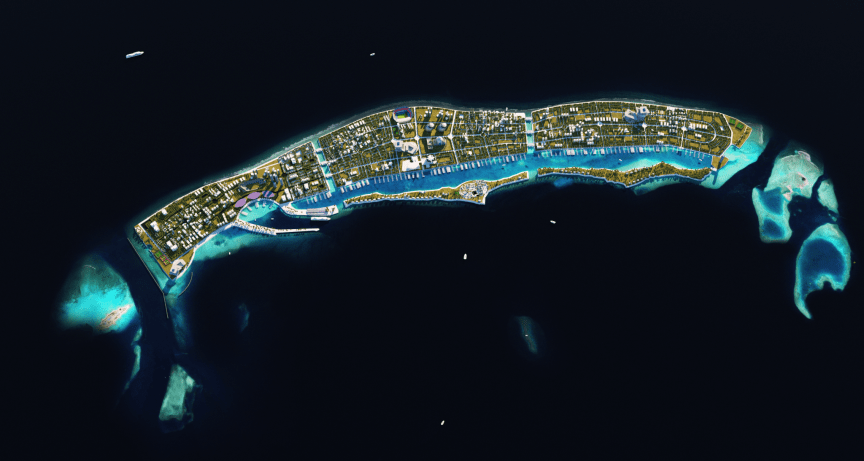
Ras Malé’s road system is designed to support a modern, high-capacity city:
- Main Arterial Roads: Wide roads connecting residential areas to commercial hubs and public facilities.
- Secondary Roads: Neighborhood streets providing access to individual housing complexes.
- Pedestrian-Friendly Streets: Sidewalks and walking paths integrated into residential areas for safety and convenience.
- Cycling Lanes: Dedicated paths promoting eco-friendly commuting and healthy lifestyles.
The road network is designed for both efficiency and sustainability, reducing congestion and providing safe travel options for all residents.
Ferry and Water Transportation
Given Ras Malé’s location in the Fushi Dhiggaru Lagoon, water transport plays a key role in connectivity:
- Water Taxis: Fast and convenient for commuting to Malé and nearby islands.
- Ferry Services: Scheduled ferries for residents, workers, and tourists, connecting key points within the city and the Greater Malé Region.
- Integrated Terminals: Ferry terminals are planned close to residential and commercial zones for easy access.
- Eco-Friendly Boats: Emphasis on low-emission water taxis and ferries to support sustainability goals.
Water transportation ensures Ras Malé is connected while minimizing traffic on land-based roads.
Public Transportation Options
Ras Malé’s public transport system is designed to serve both residents and visitors efficiently:
- Bus routes linking residential areas with commercial hubs and public facilities
- Shuttle services connecting ferry terminals with neighborhoods
- Dedicated lanes for buses to reduce travel times and improve reliability
- Long-term plans for integrated mobility hubs combining land and water transport
Efficient public transport reduces reliance on private vehicles, helping maintain low traffic congestion and environmental sustainability.
Commuting Between Ras Malé and Malé
One of the most common commuting routes is between Ras Malé and the capital, Malé:
- Road Commuting: Future bridge and causeway connections will allow cars and buses to travel quickly to Malé.
- Ferry Commuting: High-speed ferries provide fast and eco-friendly options for daily commuters.
- Combined Options: Residents can use a combination of buses, water taxis, and cycling for flexible commuting.
The integration of multiple commuting options ensures residents have reliable access to Malé’s jobs, schools, and services.
Transport for Commercial Activities
Ras Malé’s transportation plan also supports businesses and logistics:
- Road networks designed for cargo transport and deliveries
- Ferry services capable of moving goods between islands
- Access to ports and industrial zones for trade and commerce
- Efficient routing to minimize congestion and delays
Business operations benefit from a well-planned transportation system that supports economic growth.
Future Plans for Transportation in Ras Malé
Ras Malé’s transportation infrastructure will continue to evolve as the city grows:
- Expansion of road networks and maintenance programs
- Introduction of electric buses and eco-friendly vehicles
- Integration with smart city technologies for traffic management
- Further development of ferry routes connecting additional islands and neighborhoods
These future developments will make commuting even more convenient, efficient, and sustainable.
Benefits of the Transportation System
An efficient transport network in Ras Malé offers multiple advantages:
- Reduces travel time between home, work, and public facilities
- Supports economic growth through efficient logistics and business access
- Promotes eco-friendly commuting options, reducing emissions
- Enhances quality of life by integrating pedestrian and cycling-friendly streets
- Improves safety and accessibility for all residents
Conclusion
The Ras Malé transportation system is central to the city’s success. With integrated roads, ferry services, public transport, and eco-friendly commuting options, Ras Malé is designed to provide efficient, sustainable, and convenient mobility for residents and businesses alike. As the city develops, its transportation infrastructure will ensure Ras Malé becomes a well-connected, modern urban hub in the Maldives.