
RasMale Master Plan Explained: Maldives’ Future Eco City Development
The RasMalé master plan represents one of the most ambitious urban development projects in the history of the Maldives. Designed to address the growing housing shortage in the capital region, RasMalé will transform a large section of the Fushidhiggaru Lagoon into a modern, eco-friendly city.
Announced in December 2023, the project aims to reclaim more than 1,153 hectares of land and create a city capable of housing tens of thousands of residents. The development will include residential neighborhoods, commercial zones, public parks, transportation systems, and sustainable infrastructure designed for long-term urban growth.
Understanding the RasMalé master plan helps explain how the Maldives plans to manage population growth, improve living conditions, and create new economic opportunities for future generations.
Overview of the RasMalé Master Plan
The RasMalé master plan focuses on creating a well-organized and sustainable city built on reclaimed land. The project is designed to accommodate approximately 65,000 housing units while also providing modern urban facilities.
The master plan includes several major components:
- Large residential neighborhoods
- Commercial and business districts
- Public transport infrastructure
- Educational institutions
- Healthcare facilities
- Parks and recreational areas
- Sustainable energy systems
This integrated planning approach ensures that the city will not only provide housing but also support a high quality of life for residents.
Land Reclamation and City Layout
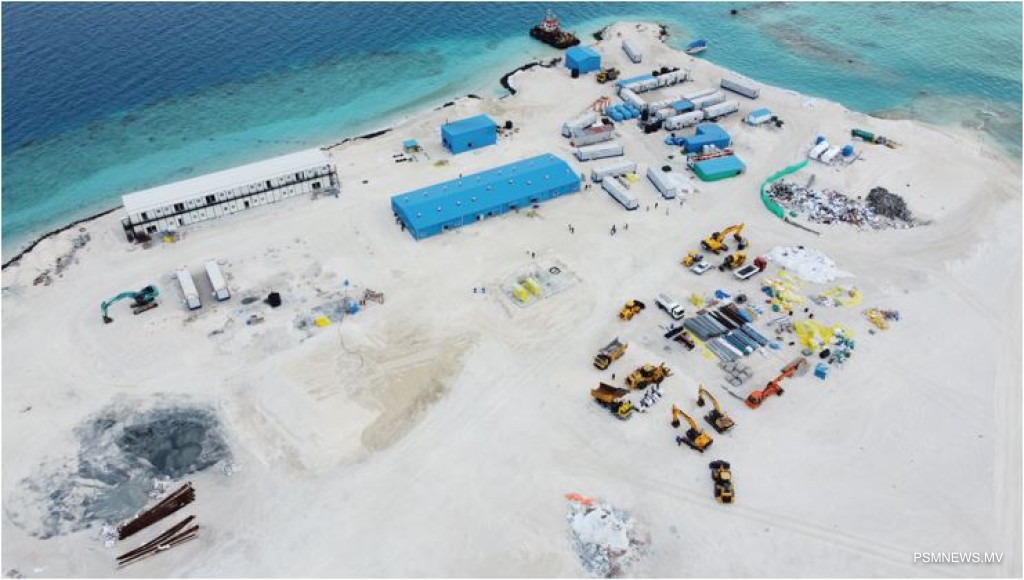
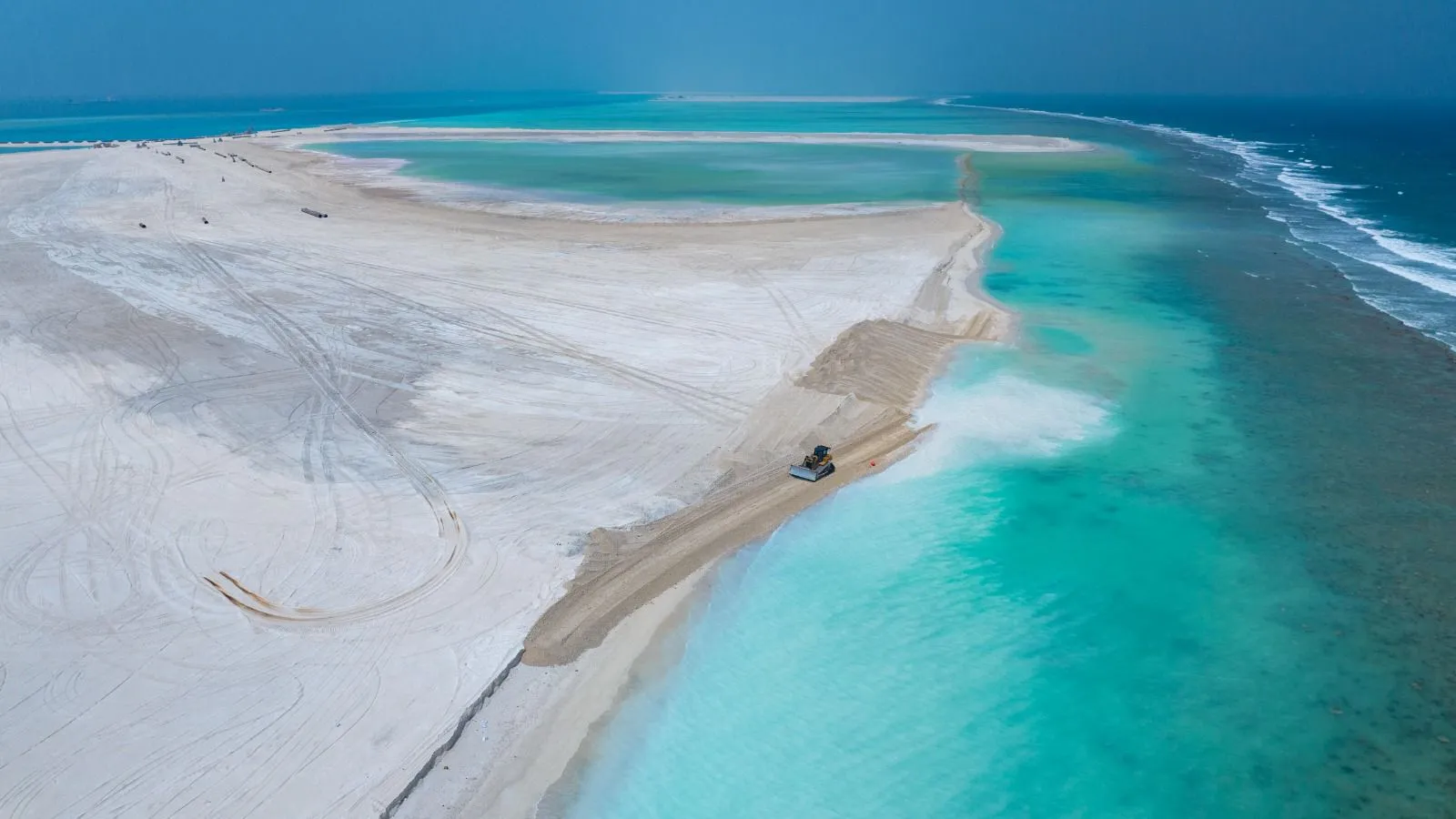
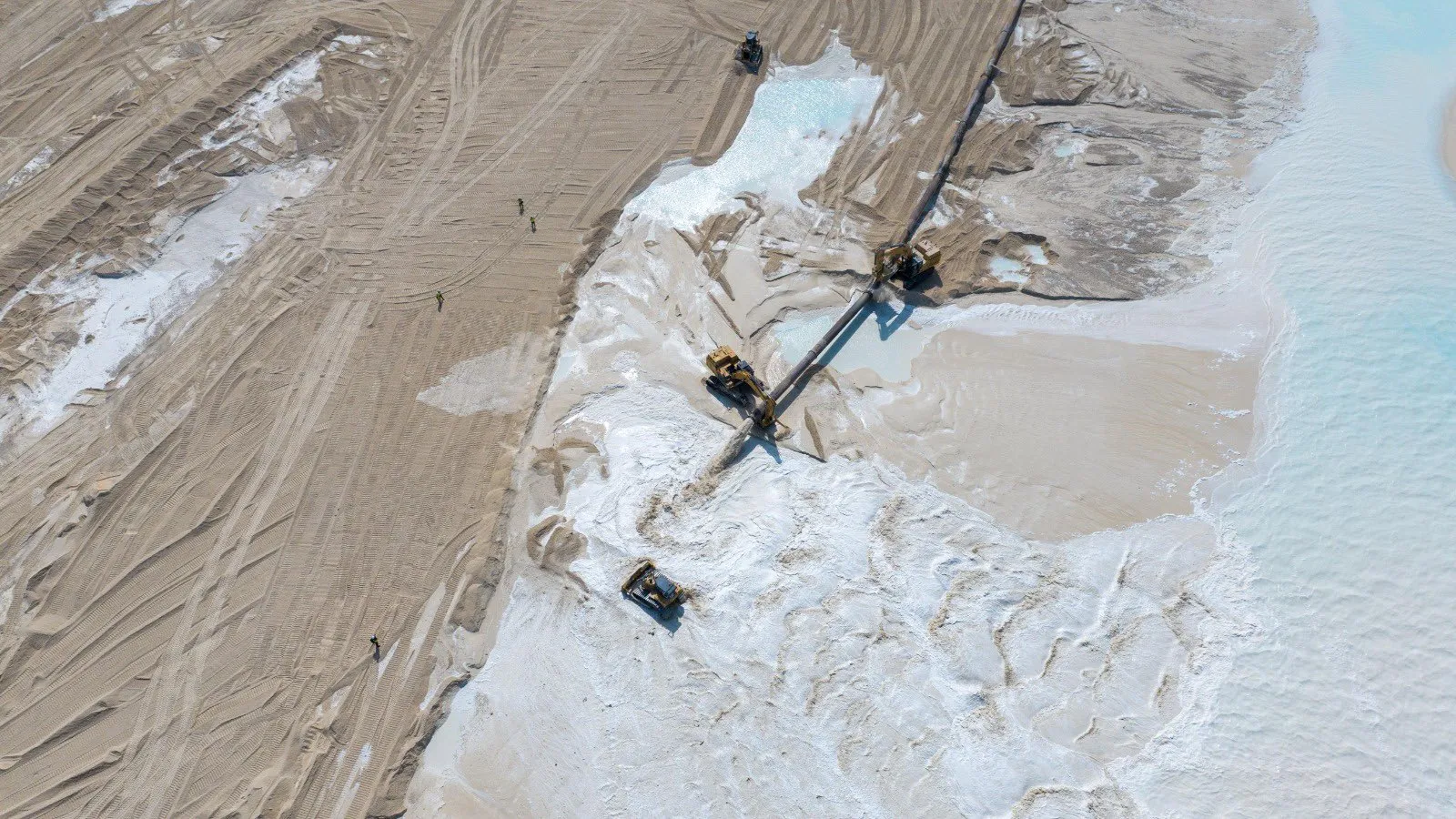
The RasMalé project will reclaim approximately 1,153 hectares of land from the Fushidhiggaru Lagoon near the capital region. This reclaimed land will form the foundation for the new city.
The layout of the city is expected to follow a modern urban planning model with clearly defined districts and transportation corridors. Wide roads, green zones, and mixed-use developments will help create a balanced urban environment.
The master plan also aims to ensure that residential areas remain close to schools, workplaces, and public facilities, reducing travel time and improving convenience for residents.
Residential Zones and Housing Areas
Housing is the central focus of the RasMalé master plan. The city is expected to provide housing for a significant portion of the population currently living in overcrowded conditions in Malé.
The residential zones will include:
- High-rise apartment complexes
- Affordable housing developments
- Private residential plots
- Mixed-use residential buildings
- Community housing projects
Approximately 15,000 residential plots are expected to be allocated to residents from Malé and nearby islands.
By creating diverse housing options, the project aims to meet the needs of families, professionals, and investors.
Commercial and Business Districts
A successful city requires strong economic activity. The RasMalé master plan includes commercial zones designed to support businesses, retail centers, and offices.
These districts will provide employment opportunities and support economic growth within the new city.
Potential developments include:
- Shopping centers
- Office towers
- Hotels and tourism facilities
- Restaurants and entertainment venues
- Technology and innovation hubs
These commercial developments will help transform RasMalé into an important economic center in the Maldives.
Transportation and Urban Connectivity
Transportation infrastructure plays a critical role in the RasMalé master plan. Efficient transportation networks will connect the new city with nearby islands such as Hulhumalé and Malé.
Possible transport solutions include:
- Bridge connections
- Ferry transport systems
- Modern road networks
- Public transportation routes
- Pedestrian and cycling paths
These transport options will help ensure smooth movement of residents and reduce traffic congestion.
Green Spaces and Public Areas
One of the key features of the RasMalé master plan is the inclusion of large public parks and green spaces. These areas are designed to provide recreational opportunities while improving environmental sustainability.
Planned green spaces may include:
- Urban parks
- Waterfront promenades
- Public gardens
- Outdoor sports facilities
- Family recreation areas
These spaces will contribute to a healthier lifestyle and improve the overall livability of the city.
Smart Infrastructure and Technology
The RasMalé master plan incorporates modern technology to support smart city development. This includes infrastructure systems that improve efficiency and sustainability.
Examples of smart infrastructure include:
- Digital traffic management systems
- Smart waste management
- Energy-efficient street lighting
- High-speed internet infrastructure
- Smart water management systems
By adopting modern technology, RasMalé aims to become one of the most advanced urban developments in the Maldives.
Sustainability and Environmental Planning
Environmental sustainability is a key priority within the RasMalé master plan. As a small island nation vulnerable to climate change, the Maldives must carefully manage its natural resources.
Planners aim to include sustainable solutions such as:
- Renewable energy systems
- Solar power integration
- Eco-friendly building designs
- Efficient water recycling systems
- Coastal protection measures
These strategies will help minimize environmental impact while supporting long-term urban development.
Economic Opportunities Created by RasMalé
The construction and development of RasMalé will create significant economic opportunities. Large infrastructure projects often generate thousands of jobs in construction, engineering, and related industries.
Once the city is fully developed, businesses, retail services, tourism facilities, and technology companies may establish operations within RasMalé.
This could help diversify the Maldivian economy and reduce dependence on traditional sectors.
Future Growth and Expansion
The RasMalé master plan is designed with long-term growth in mind. The city will be built in phases, allowing infrastructure and housing development to expand gradually as demand increases.
This phased development strategy allows planners to adjust designs, incorporate new technologies, and respond to future urban needs.
Over time, RasMalé may become one of the most important urban centers in the Maldives.
Conclusion
The RasMalé master plan represents a bold vision for the future of urban living in the Maldives. By reclaiming land and building a modern eco-friendly city, the project aims to address housing shortages while creating new economic opportunities.
With careful planning, sustainable design, and modern infrastructure, RasMalé could become a model for future city developments in island nations.
As construction progresses over the coming years, the RasMalé master plan will continue to shape the future of the Maldivian capital region.
Frequently Asked Questions
What is the RasMalé master plan?
The RasMalé master plan is a large urban development strategy designed to build a new eco-friendly city in the Fushidhiggaru Lagoon.
How large will RasMalé be?
The city will be developed on approximately 1,153 hectares of reclaimed land.
How many housing units will RasMalé provide?
The project is expected to include around 65,000 housing units.
When will RasMalé be completed?
The project will likely be completed in multiple phases over several years.
One thought on “RasMale Master Plan”