How RasMale Will Solve the Malé Housing Crisis
The Malé housing crisis has been one of the most serious challenges facing the Maldives for decades. With limited land space and a growing population, the capital city has become one of the most densely populated places in the world.
Many families struggle to find affordable housing, while property prices and rental costs continue to rise. Overcrowded living conditions have become common, and demand for housing continues to grow each year.
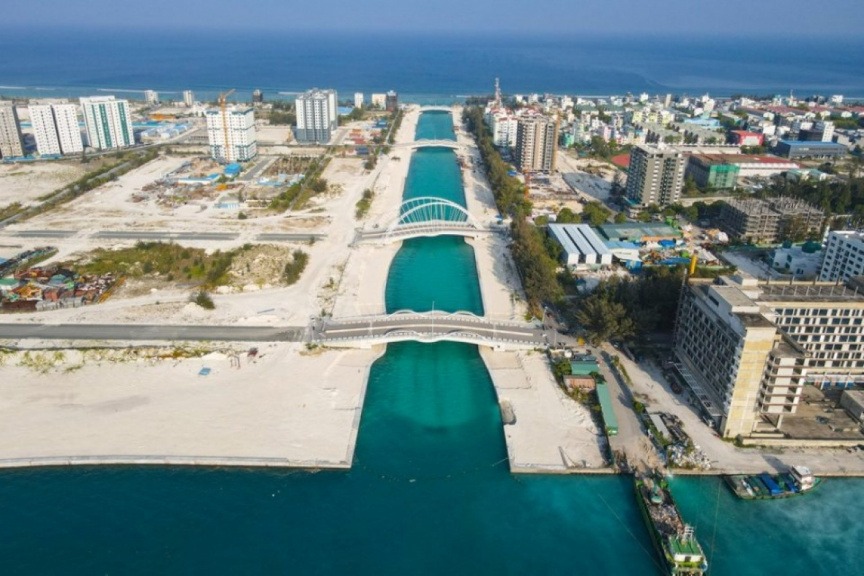
The RasMalé city project was introduced as a long-term solution to this problem. By creating a new city on reclaimed land in the Fushidhiggaru Lagoon, RasMalé aims to provide tens of thousands of homes while improving urban living conditions in the capital region.
Understanding the Malé Housing Crisis
Malé is the political, economic, and administrative center of the Maldives. As a result, many people move to the capital in search of jobs, education, and better opportunities.
However, the island of Malé is extremely small, covering only a few square kilometers of land. Over the years, population growth has far exceeded the available space for housing.
This has led to several major housing challenges:
- Severe overcrowding
- High rental prices
- Limited housing availability
- Small living spaces for families
- Growing demand for apartments
Without new land or housing developments, these challenges would continue to worsen.
Population Growth in the Capital Region
The population of the Malé region has grown rapidly over the past few decades. Economic development, government services, and tourism-related industries are all centered around the capital.
This has attracted residents from many islands across the Maldives. While this migration has supported economic growth, it has also increased pressure on housing and infrastructure.
Urban planners have long recognized that new residential areas are needed to support future population growth.
The Role of Land Reclamation
Because the Maldives is made up of small islands, land reclamation has become an important solution for urban development. Reclaiming land from lagoons allows new areas to be created for housing, infrastructure, and economic activities.
Hulhumalé is one example of a successful land reclamation project that helped reduce some housing pressure in the capital region.
However, even Hulhumalé is now growing rapidly, which means additional urban space is required. RasMalé is the next major step in expanding the capital region.
RasMalé’s Plan for New Housing
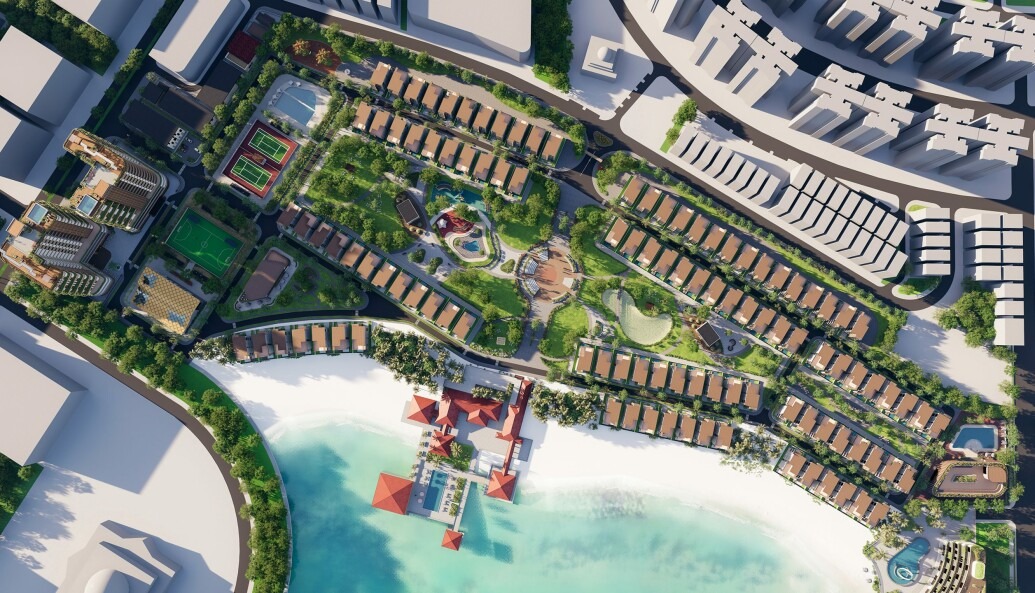
The RasMalé project aims to provide approximately 65,000 housing units, making it one of the largest residential developments ever built in the Maldives.
This large number of homes will help meet the growing demand for housing in the capital region.
The development will likely include:
- High-rise residential apartment buildings
- Affordable government housing units
- Private residential plots
- Mixed-use residential complexes
- Modern waterfront apartments
By creating a wide range of housing options, the project aims to serve families, professionals, and investors.
Reducing Overcrowding in Malé
One of the main goals of the RasMalé development is to reduce overcrowding in Malé.
Many families currently live in small apartments with limited living space. As housing options become available in RasMalé, some residents may choose to relocate to the new city.
This gradual movement of residents could help relieve population pressure in Malé while improving overall living conditions.
Affordable Housing for Families
Housing affordability is another major concern in the capital region. Many young families struggle to purchase or rent homes due to high property prices.
The RasMalé project may include government housing programs designed to make home ownership more accessible.
These programs could include:
- Subsidized housing units
- Long-term payment plans
- Government housing loans
- Affordable apartment schemes
Such initiatives could help thousands of families achieve stable housing.
Creating New Urban Communities
RasMalé is not just about building houses. The project aims to create a complete urban environment with schools, healthcare facilities, parks, and commercial centers.
Residents will have access to essential services without needing to travel long distances.
Planned community features may include:
- Schools and educational institutions
- Hospitals and clinics
- Shopping centers
- Public parks and recreational spaces
- Sports facilities
This type of integrated urban planning helps create sustainable and livable communities.
Economic Opportunities in RasMalé
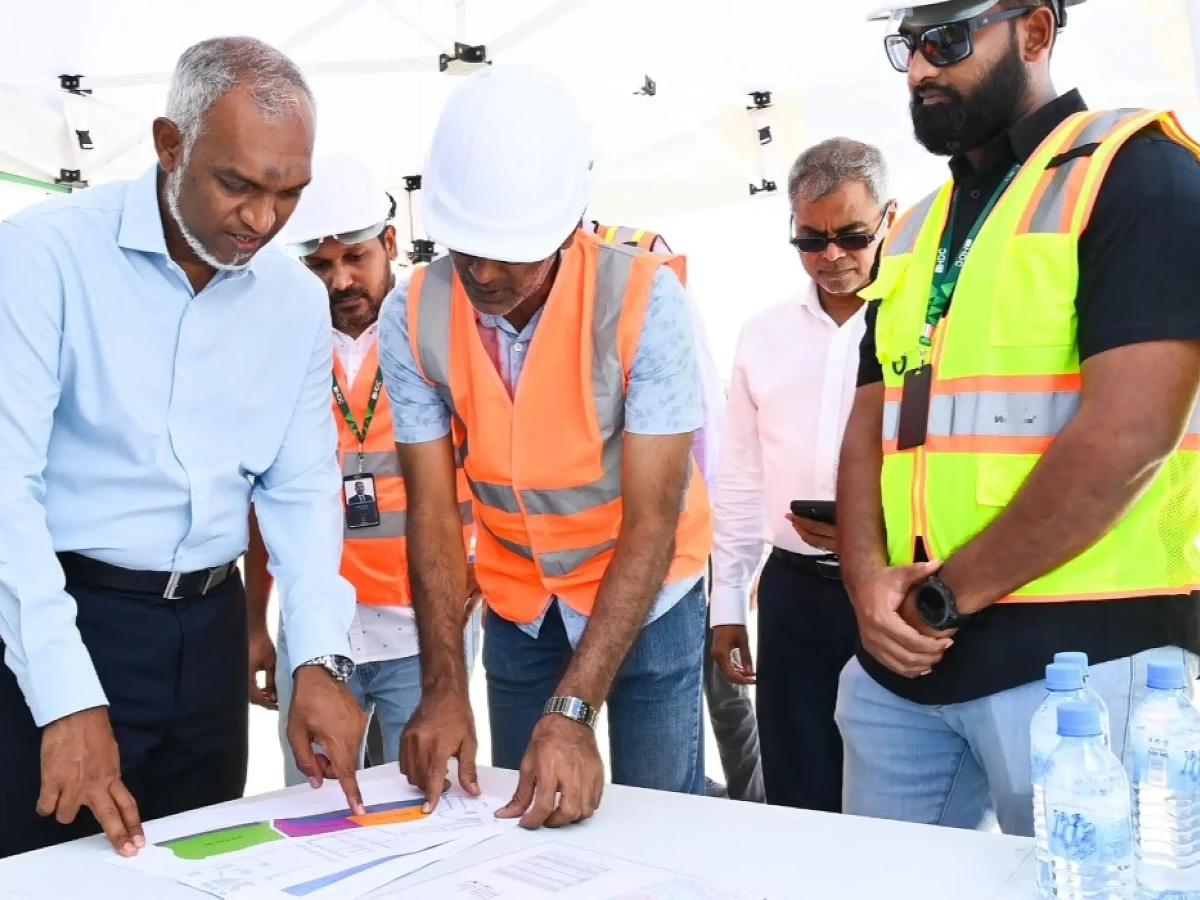
The construction and development of RasMalé will also create economic opportunities. Large infrastructure projects typically generate thousands of jobs in construction, engineering, and related industries.
In the long term, businesses, retail services, and tourism-related activities may develop within the new city.
This economic growth can help strengthen the capital region and support the national economy.
Improving Urban Infrastructure
The RasMalé city project also includes modern infrastructure designed to support a growing population.
Infrastructure improvements may include:
- Modern road networks
- Efficient public transportation systems
- Smart energy systems
- Waste management facilities
- Water supply and sanitation systems
These improvements will help ensure that the city functions efficiently and sustainably.
Long-Term Impact on the Housing Market
The addition of tens of thousands of housing units could have a significant impact on the housing market in the capital region.
Increased housing supply may help stabilize property prices and reduce rental costs over time.
This could make housing more accessible for residents who currently struggle to find affordable homes.
The Future of Housing in the Maldives
The RasMalé project represents a major step toward solving the Malé housing crisis. By expanding the capital region and providing large numbers of new homes, the project could transform the way people live in the Maldives.
If the development is successful, RasMalé may become a model for future urban expansion projects across the country.
It could also demonstrate how small island nations can address housing challenges through careful planning and innovative engineering.
Conclusion
The Malé housing crisis has been a long-standing challenge for residents of the Maldives. Limited land space and rapid population growth have made housing increasingly difficult to obtain.
The RasMalé city project aims to address this issue by creating a new urban center with thousands of modern homes.
Through land reclamation, sustainable planning, and large-scale housing development, RasMalé could play a crucial role in improving living conditions in the capital region.
Frequently Asked Questions
What is the Malé housing crisis?
The Malé housing crisis refers to the shortage of affordable housing caused by population growth and limited land space in the capital.
How many homes will RasMalé provide?
The project is expected to include approximately 65,000 housing units.
Will RasMalé reduce overcrowding in Malé?
Yes, the new city will provide alternative housing options that may reduce population pressure in the capital.
When will RasMalé be completed?
The project will likely be developed in multiple phases over several years.