Airspace Disruptions Leave Tourists Stranded in Maldives: Travel Chaos and Solutions
The Maldives, a tropical paradise famous for its turquoise lagoons, overwater villas, and luxury resorts, recently faced significant travel disruptions. Thousands of tourists were stranded at Velana International Airport due to unexpected closures of airspace in the Middle East. These disruptions affected flights arriving from major hubs including Dubai, Doha, and Abu Dhabi, creating widespread chaos for travelers and operators alike.
What Happened?
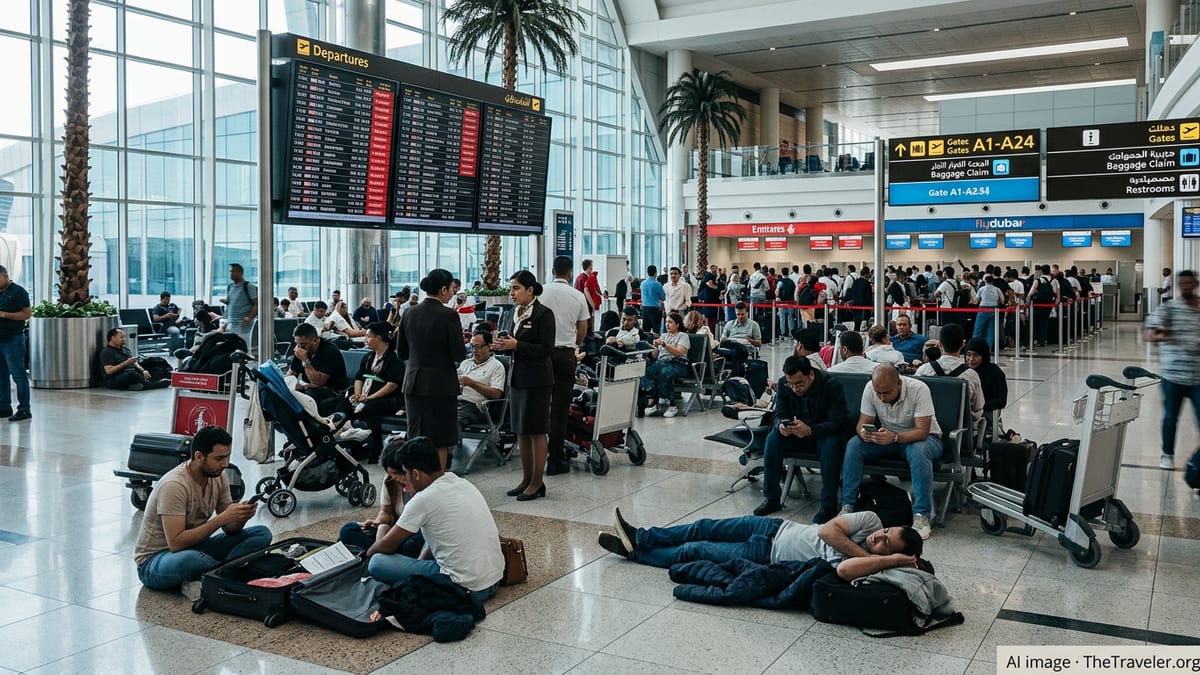
In early 2026, geopolitical and technical airspace restrictions in the Middle East forced airlines to reroute or cancel multiple flights to the Maldives. Passengers faced extended delays, missed connections, and uncertainty regarding accommodations and onward travel. Airlines scrambled to inform passengers, while airports struggled to manage the sudden influx of stranded travelers.
Impact on Tourists
The immediate consequences for tourists included:
- Long waiting hours at Velana International Airport with limited seating and facilities.
- Missed resort check-ins, disrupting vacation schedules.
- Additional expenses for hotels, meals, and alternative transport.
- Increased stress and dissatisfaction among international travelers.
Many travelers took to social media to share their experiences, highlighting the need for better crisis management and communication during unexpected disruptions.
Impact on Maldives Tourism Industry
Tourism is the backbone of the Maldivian economy, accounting for a substantial portion of GDP and employment. Such disruptions can have both short-term and long-term effects:
- Revenue Loss: Resorts, tour operators, and local businesses experience cancellations and reduced occupancy.
- Reputation Risk: Travel disruptions can affect the Maldives’ image as a reliable and tourist-friendly destination.
- Operational Pressure: Airlines and airports must allocate additional resources to accommodate stranded passengers, increasing operational costs.
How Authorities Responded
Maldives Airports Company Limited (MACL) and tourism authorities acted swiftly to manage the situation. Measures included:
- Setting up information desks to assist affected passengers.
- Coordinating with hotels and resorts for temporary accommodation.
- Providing updates on alternative flights and rebooking options.
- Working with international airlines to prioritize outbound and inbound passengers.
These efforts helped alleviate some immediate pressure, although the scale of the disruption posed significant challenges.
Travel Tips for Visitors During Disruptions
If you are planning to visit the Maldives or are already traveling, consider these tips to minimize disruption:
- Monitor flight status regularly using airline apps and official airport channels.
- Keep copies of booking confirmations, travel insurance, and contact information for accommodations.
- Prepare for possible delays by packing essentials like snacks, water, and personal items in your carry-on.
- Consider flexible travel packages and refundable bookings when possible.
- Stay informed about geopolitical events or airspace restrictions in connecting countries.
Airline and Airport Precautions Moving Forward
Following this disruption, airlines and airports are implementing measures to prevent future travel chaos:
- Improved communication channels for real-time updates.
- Flexible rebooking policies to accommodate stranded passengers.
- Emergency response protocols to manage unexpected airspace closures.
- Collaboration with regional authorities to anticipate and mitigate risks.
Economic Implications
Although temporary, flight disruptions can have notable economic consequences:
- Lost tourism revenue for hotels, resorts, and attractions.
- Costs incurred by airlines for additional fuel, crew overtime, and logistics.
- Potential long-term reputational impact affecting future bookings.
By addressing these issues proactively, Maldives authorities aim to maintain the country’s reputation as a safe, reliable, and high-end travel destination.
Travel Insurance: Why It’s Essential
Travel insurance becomes crucial during such disruptions. Policies that cover:
- Flight delays or cancellations
- Lost or delayed baggage
- Medical emergencies or extended stays due to disruptions
- Alternative accommodation and meals
…can help travelers mitigate the financial impact of unexpected airspace or flight issues.
Lessons for Future Travel
The recent airspace disruption highlights the importance of planning for contingencies when traveling internationally, especially to island destinations like the Maldives. Travelers, airlines, and tourism authorities can all benefit from improved communication, flexible scheduling, and emergency preparedness.
Conclusion
The Maldives remains one of the world’s top luxury travel destinations despite recent flight disruptions. While airspace closures created short-term chaos, proactive measures by authorities, airlines, and resorts helped manage the impact. For travelers, staying informed, flexible, and insured ensures a smoother experience, even amid unexpected challenges.
As Maldives tourism continues to grow, lessons learned from incidents like these strengthen the country’s resilience and commitment to providing world-class experiences for visitors.
FAQs
What caused the airspace disruptions affecting Maldives flights?
Middle East airspace closures, including routes through Dubai, Doha, and Abu Dhabi, forced airlines to reroute or cancel flights.
How were tourists affected?
Passengers experienced delays, missed connections, additional costs, and temporary accommodation issues at Velana International Airport.
What should travelers do if flights are disrupted?
Monitor flight status, stay in contact with airlines, prepare essentials in carry-on luggage, and maintain flexible travel plans.
How can airlines prevent such disruptions in the future?
Improved communication, contingency plans, emergency response protocols, and collaboration with regional authorities are key measures.