Introduction to Mr. Alabbar and His Vision
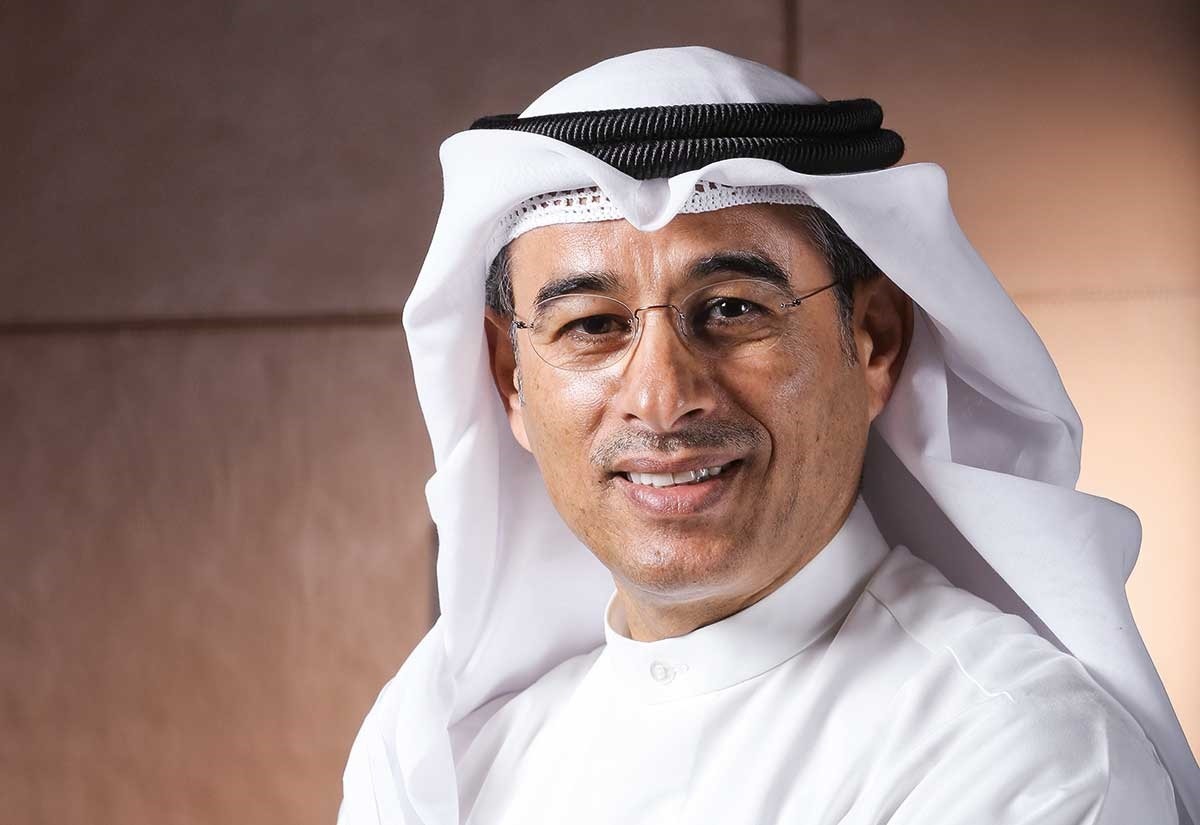
Mr. Alabbar is a prominent figure in the real estate and development sector, widely recognized for his profound impact on urban landscapes through his firm, Eagle Hills. His journey into the world of property development began with a deep-seated passion for architecture and an unwavering commitment to transformative urban design. Through his wealth of experience and innovative ideas, Mr. Alabbar has substantiated his reputation as a visionary leader in the field.
The vision of Mr. Alabbar extends beyond mere construction; he emphasizes the integration of sustainability and innovation in every project. His philosophy revolves around creating urban spaces that not only meet the needs of modern living but also contribute towards a durable future. Mr. Alabbar believes in the importance of balancing aesthetics with functionality, ensuring that developments serve as catalysts for community engagement and environmental stewardship.
In a rapidly urbanizing world, Mr. Alabbar’s developments stand out for their commitment to sustainability. He actively incorporates green building practices and seeks to minimize the ecological footprint of his projects. By prioritizing renewable energy sources, efficient water management, and sustainable materials, Mr. Alabbar sets a benchmark for aspiring developers globally.
His motivation to create influential projects transcends financial gain; he aims to leave a legacy that inspires future generations. Mr. Alabbar’s work reflects an understanding that successful urban environments must foster social connectivity and cultural richness. Each project embodies a unique narrative, resonating with the local culture while integrating modern technology and design principles.
Ultimately, Mr. Alabbar’s approach represents a progressive vision for urban development, where design meets sustainability, and innovation enhances the human experience. His influence continues to shape cities around the world, prompting a rethinking of how we envisage and construct the urban habitats of tomorrow.
A Journey Through 30 Years of Iconic Developments
Over the past three decades, Mr. Alabbar’s vision and leadership have ushered in a remarkable series of developments that have significantly shaped urban landscapes across the globe. This timeline not only highlights the milestones of his career but also illustrates how his projects have evolved in response to the dynamic architectural trends and global challenges.
The journey began in the early 1990s with the establishment of Emaar Properties, a company that would later be recognized worldwide for its innovative designs and ambitious projects. One of the earliest milestones was the inception of the Burj Khalifa in 2004, which has since become an iconic symbol of Dubai and a benchmark for architectural excellence. Mr. Alabbar’s commitment to sustainability and cutting-edge design set the stage for future developments.
As the new millennium approached, developments like the Dubai Mall and various residential complexes transformed cityscapes, contributing to Dubai’s rise as a global tourism hub. The adaptive nature of Mr. Alabbar’s vision was evident as he continually incorporated modern architectural styles infused with cultural heritage, leading to a unique blend that resonated with international audiences.
In the late 2000s, the formation of Eagle Hills represented a significant expansion of Mr. Alabbar’s endeavors beyond the UAE. Focused on developing mixed-use projects in emerging markets, this new venture enabled the realization of iconic complexes that effectively integrated lifestyle, business, and pleasure.
The last decade has witnessed a shift towards sustainability, seen in projects like the sustainable community developments that prioritize eco-friendly practices. Mr. Alabbar’s ability to adapt to global challenges such as economic fluctuations and environmental concerns has solidified his reputation as a visionary leader, capable of driving change.
Overall, the timeline of Mr. Alabbar’s iconic developments not only reflects the substantial impact of his contributions but also underscores the importance of adaptability in overcoming architectural and global challenges. His legacy continues to inspire future generations in the realms of urban planning and real estate development.
Celebrated Projects Across 20 Countries
Mr. Alabbar, a prominent figure in the global real estate market, has spearheaded numerous transformative projects under the banner of Eagle Hills. His visionary approach has not only revolutionized landscapes but also stirred significant cultural and economic influences in various countries. One of the hallmark developments is the Marassi Al Bahrain, a mixed-use project that combines residential, commercial, and leisure spaces, ultimately enhancing the lifestyle offerings in Bahrain. This project reflects Mr. Alabbar’s commitment to marrying luxury with functionality, catering to both local and expatriate communities.
Another iconic achievement includes the development of Dubai Creek Harbour, which aims to redefine urban living in Dubai. The ambitious project is designed to create a vibrant hub that integrates residential, retail, and hospitality services within a sustainable environment. This endeavor not only positions Dubai as a global city but also showcases Mr. Alabbar’s expertise in crafting urban spaces that foster economic growth.
In Morocco, Eagle Hills’ development of Al Ain stands out for its unique architectural style and commitment to sustainability. By focusing on eco-friendly practices, this development has enhanced community engagement and attracted international interest, contributing significantly to local tourism and economy. Such projects across different regions resonate with Mr. Alabbar’s vision for cultural sensitivity, ensuring that each development reflects local heritage while promoting modern living.
Similar success stories can be observed in countries like Ethiopia and Serbia, where Mr. Alabbar’s developments have spurred infrastructural growth and job creation. Their impact extends beyond just the physical structures; they have a profound social influence, fostering community ties and enhancing quality of life. The projects demonstrate Eagle Hills’ role in crafting spaces that are not merely buildings but vibrant ecosystems that nurture interactivity and cultural exchange.
Overall, Mr. Alabbar’s illustrious portfolio demonstrates a consistent pattern of successful projects across 20 countries, each influenced by local culture yet marked by a universal appeal, ultimately reflecting the bold vision of an inspiring leader in real estate development.
The Future of Development: Mr. Alabbar’s Vision Moving Forward
As we explore the future directions for Mr. Alabbar’s developments, it is essential to consider the evolving landscape of architecture and urban planning. Mr. Alabbar, known for his influential role in real estate through ventures like eaglehills, is poised to be at the forefront of these emerging trends. One significant trend is the increasing demand for sustainable development. As urban areas face challenges related to climate change, there is a growing emphasis on green building practices. This shift aligns well with Mr. Alabbar’s philosophy, which prioritizes environmental responsibility alongside luxury and modern design.
Another trend gaining traction is the integration of technology in urban environments. Smart cities are becoming a focal point for developers, incorporating innovations such as smart infrastructure and environmental monitoring systems. Mr. Alabbar’s upcoming projects could benefit from these advancements, offering residents high-tech amenities that enhance their living experiences. The combination of technological integration with his distinct architectural style may set new benchmarks in urban living.
Moreover, the global pandemic has transformed how people perceive spaces, highlighting the importance of accessibility and communal areas in developments. Mr. Alabbar’s vision for future projects might incorporate design elements that foster community engagement, such as shared spaces that encourage social interaction while promoting safety and health.
Furthermore, Mr. Alabbar’s role as a thought leader in the industry positions him well to shape these future trends. His ability to anticipate market demands and adapt his strategies accordingly has proven effective in past projects. Looking ahead, it will be intriguing to see how his work with eaglehills and other ventures influences urban development, creating spaces that are not only aesthetically pleasing but also functional and resilient.
In summary, the future of Mr. Alabbar’s developments is likely to reflect a commitment to sustainability, technological innovation, and community-oriented design. By embracing these trends, he stands to make a lasting impact on the urban landscapes of tomorrow.