What Is Ras Male? Inside Maldives’ Largest Land Reclamation Project
The Maldives is known around the world for its beautiful islands, luxury resorts, and turquoise lagoons. However, behind the scenes the country faces a serious challenge: limited land and increasing population density. To address this issue, the Maldives has launched one of its most ambitious urban development projects — the Ras Malé land reclamation project.
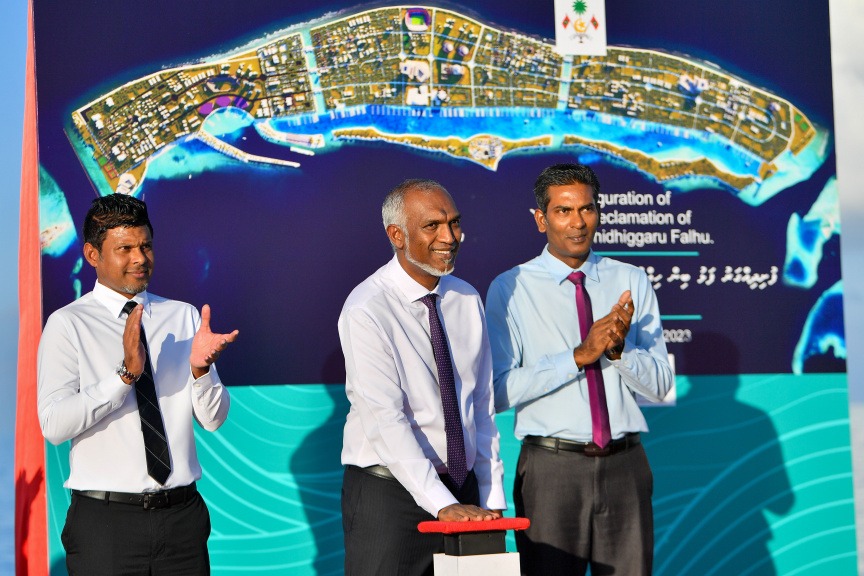
Ras Malé is a massive eco city development currently being created through land reclamation in the Fushi Dhiggaru Lagoon near Malé. The project is designed to provide housing, infrastructure, and modern urban living spaces for tens of thousands of residents. Once completed, Ras Malé will become one of the largest reclaimed land developments in the Maldives.
Understanding the Ras Malé Project
The Ras Malé project is a large-scale land reclamation initiative aimed at expanding the Greater Malé Region. Because the capital city has very limited land, the government and development planners have focused on creating new urban areas through reclamation.
Ras Malé is being developed as a modern eco city with carefully planned infrastructure, residential areas, commercial zones, and public facilities. The goal is to create a sustainable and livable urban environment that can support future population growth.
The project is also intended to reduce congestion in Malé, which is currently one of the most densely populated cities in the world.
Location of Ras Malé
Ras Malé is located in the Fushi Dhiggaru Lagoon, a large lagoon area situated close to Malé. Its location makes it ideal for urban expansion because it is near the capital while still providing enough space for large-scale development.
The new city will become part of the Greater Malé Region, which already includes Malé, Hulhumalé, and nearby islands. Once infrastructure connections are completed, residents will be able to travel easily between these areas.
This strategic location is one of the key reasons Ras Malé has been selected as the site for the Maldives’ newest eco city.
Scale of the Ras Malé Development
The size of the Ras Malé project is one of its most impressive features. The development will cover approximately 1,150 hectares of reclaimed land.
To better understand this scale, the land area of Ras Malé is nearly three times the combined size of the two phases of Hulhumalé. This makes Ras Malé one of the largest land reclamation projects ever undertaken in the Maldives.
Such a large land area provides enough space to develop a fully planned city rather than simply adding small residential islands.
Current Land Reclamation Progress
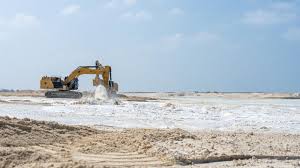
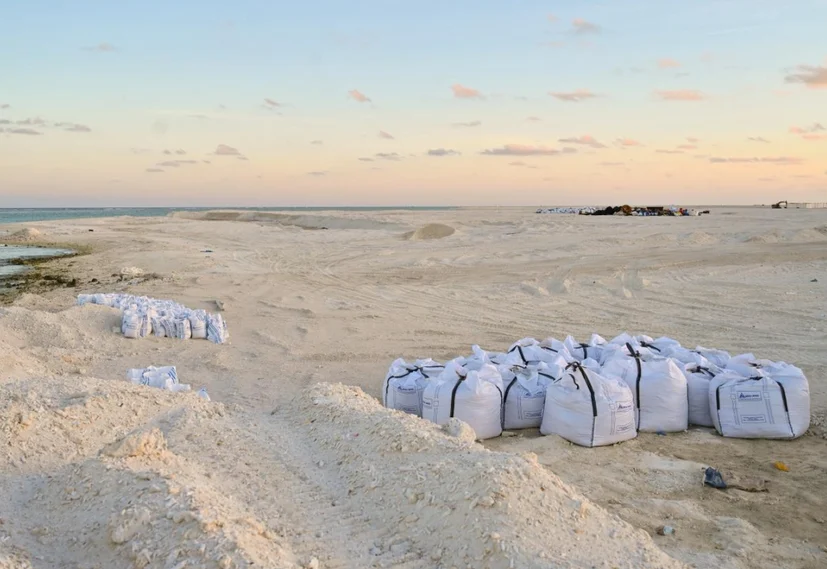
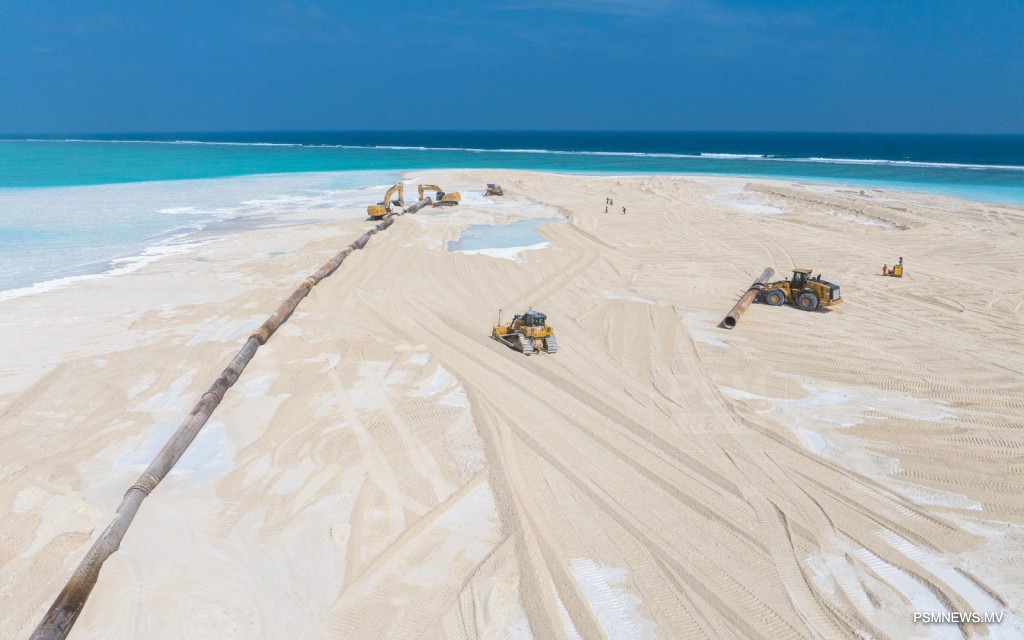
Land reclamation is the process of creating new land by filling lagoon areas with sand and other materials. This process is essential for building new urban areas in island nations like the Maldives.
According to available development data, significant progress has already been made in the Ras Malé project.
- Total Project Area: 1,150 hectares
- Land Reclaimed: 355.3 hectares
- Remaining Area: 794.7 hectares
- Completion Status: Approximately 30.9%
This progress shows that the project is steadily moving forward, bringing the vision of Ras Malé closer to reality.
Why Land Reclamation Is Important for the Maldives
The Maldives consists of hundreds of small islands spread across the Indian Ocean. While this geography creates a beautiful natural environment, it also limits the amount of available land for development.
With the population continuing to grow and economic activity increasing, the demand for housing and infrastructure has also expanded. Land reclamation allows the Maldives to create new land areas that can support urban growth.
Projects like Hulhumalé have already demonstrated the success of this strategy. Ras Malé is expected to follow a similar path but on an even larger scale.
Housing Solutions for the Future
One of the primary goals of the Ras Malé project is to provide housing for thousands of people. The development is expected to deliver approximately 65,000 housing units.
These housing solutions are intended to support residents who currently live in overcrowded conditions in Malé and surrounding islands. By creating new residential areas, Ras Malé can help reduce housing shortages and improve living conditions.
The project may include a variety of housing options such as apartment buildings, residential communities, and mixed-use developments.
Urban Planning and Infrastructure
Unlike older cities that grew organically over time, Ras Malé is being designed as a fully planned urban environment. This means that infrastructure, roads, utilities, and public services can be integrated into the city layout from the beginning.
Key infrastructure features may include:
- Modern road networks
- Reliable water and electricity systems
- Waste management facilities
- Schools and educational institutions
- Healthcare centers
- Public parks and recreational spaces
These facilities will help create a balanced urban environment that supports both residential life and economic activity.
Environmental Considerations
Because the Maldives is highly vulnerable to environmental changes, sustainability plays an important role in the Ras Malé project. The city is being planned as an eco-friendly development that minimizes environmental impact.
Potential sustainability features may include energy-efficient buildings, green public spaces, and improved waste management systems. These measures aim to ensure that Ras Malé remains environmentally responsible while supporting urban growth.
Economic and Development Opportunities
The development of Ras Malé will also generate significant economic opportunities. Large construction projects require skilled labor, engineering expertise, and a wide range of services.
As the city develops, additional economic activities such as retail businesses, offices, and commercial centers will emerge. This growth will contribute to the overall development of the Greater Malé Region.
For investors and developers, Ras Malé represents a major opportunity to participate in one of the Maldives’ most important urban projects.
Future Outlook for Ras Malé
The Ras Malé land reclamation project represents the next stage of urban expansion in the Maldives. As land reclamation continues and infrastructure development begins, the city will gradually take shape.
Over time, Ras Malé could become a major residential and commercial hub within the Greater Malé Region. Its large size and modern design provide the foundation for a sustainable and well-organized city.
For residents seeking better housing opportunities and improved living conditions, Ras Malé may become one of the most attractive locations in the Maldives.
Conclusion
Ras Malé is more than just a land reclamation project — it is a long-term vision for the future of urban development in the Maldives. With 1,150 hectares of reclaimed land and plans for 65,000 housing units, the project aims to address one of the country’s most pressing challenges: the need for more space.
As construction progresses and infrastructure is developed, Ras Malé will play a key role in shaping the future of the Greater Malé Region. The project represents a major step toward sustainable urban growth and improved living standards for the people of the Maldives.