The Maldivian government has opened applications to hire consultants to prepare a comprehensive transport masterplan for RasMale’, the large-scale land reclamation project aimed at easing housing pressure in the Greater Malé region.
The initiative marks another major step in the administration’s plan to transform RasMale’ into a modern, sustainable urban city.
Consultants Invited to Apply
According to the Ministry of Finance and Planning, qualified consultancy firms are invited to submit their expressions of interest along with documentation proving their experience and technical capacity.
Applicants must provide:
Details of relevant past projects
Staff qualifications and expertise
Company credentials
The deadline for submission is December 24 at 2:00pm. The Terms of Reference for the project are available through the ministry’s official channels.
Focus on Sustainable Connectivity
The planned transport masterplan will focus on building an efficient and environmentally sustainable transport network linking RasMale’ with Malé while also designing internal mobility within the new city.
Early transport planning is considered critical for new urban developments. Without proper mobility systems, new cities often face congestion, high commuting costs, and inefficient growth.
The RasMale’ transport study is expected to examine:
Multi-modal transport options
Public transport systems
Road and marine connectivity
Smart traffic management
Low-carbon mobility solutions
By prioritizing sustainability, the government aims to align the transport system with the broader eco-city vision.
Selection Through QCBS Method
Officials confirmed that the consultant will be selected using the Quality and Cost Based Selection (QCBS) method. This approach balances technical quality with financial competitiveness, helping ensure value for public funds while maintaining high planning standards.
The QCBS method is commonly used in major infrastructure and urban planning projects worldwide.
RasMale’ Central to Housing Solution
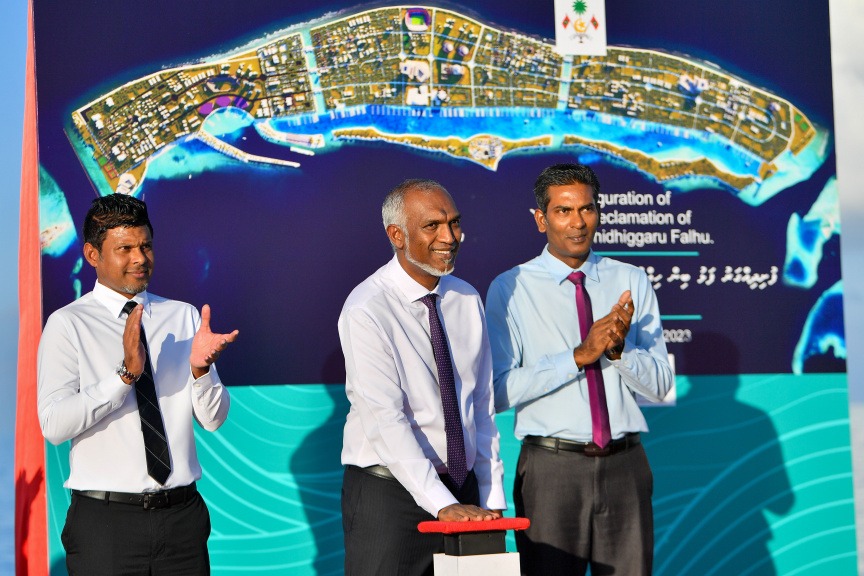
RasMale’ is a cornerstone project in the government’s strategy to address the severe housing shortage in the Greater Malé area.
The capital region has faced increasing housing pressure due to:
Rapid population growth
Limited land availability
Rising property prices
Urban migration
The new reclaimed island is expected to accommodate thousands of housing units and help expand the urban footprint beyond the congested capital.
Major Reclamation Work in Progress
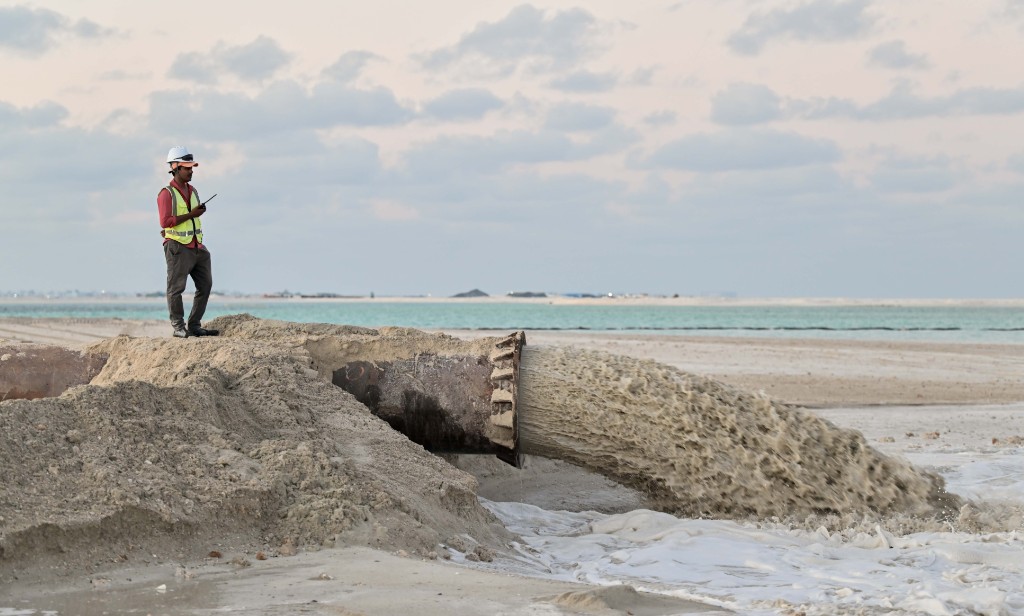
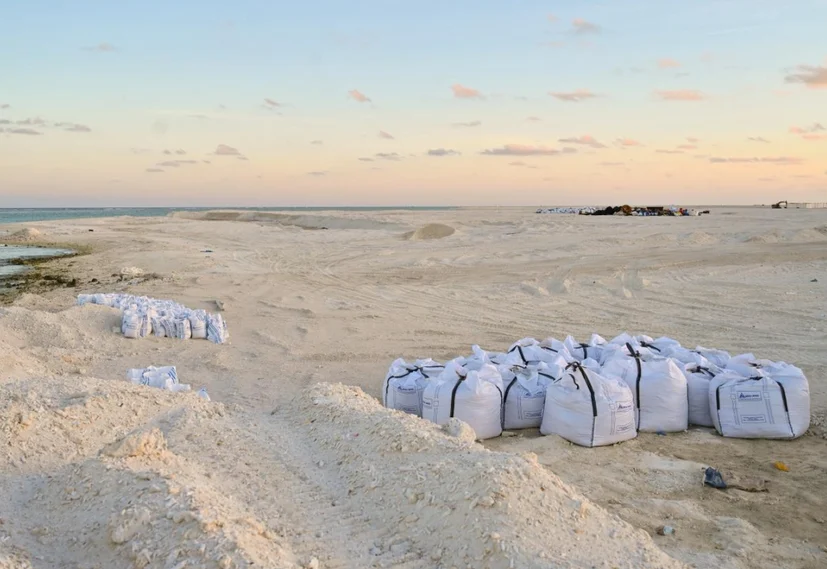
Land reclamation for RasMale’ is already underway. Authorities have deployed two of the world’s largest trailer suction hopper dredgers for the project, highlighting the massive scale of the development.
The reclamation phase will determine:
Final land size
Elevation and flood protection
Environmental impact
Future urban planning capacity
Vision of a Net-Zero Smart Eco City
The government has announced that RasMale’ is intended to become a 100 percent net-zero carbon smart eco city, one of the most ambitious urban sustainability goals in the Maldives.
The eco-city concept typically includes:
Renewable energy systems
Energy-efficient buildings
Electric public transport
Smart waste management
Climate-resilient infrastructure
Officials have described RasMale’ as the largest climate adaptation project ever undertaken in the country.
Why the Transport Plan Is Critical
Urban planners widely agree that transport infrastructure often determines whether new cities succeed.
A well-designed system can:
Reduce traffic congestion
Lower emissions
Improve economic productivity
Enhance livability
Because RasMale’ is being built from scratch, planners have a rare opportunity to design a future-ready mobility network instead of retrofitting outdated systems.
Potential Impact on Greater Malé
If implemented effectively, the RasMale’ transport system could significantly reshape movement patterns across the capital region.
Possible benefits include:
Less congestion in Malé
Shifting part of the population could ease pressure on existing roads.
New economic activity zones
Improved connectivity often attracts businesses and investment.
Expansion of public transport
The project may accelerate development of ferries and electric bus networks.
Better housing accessibility
Efficient transport is essential to make new residential areas viable.
Challenges Ahead
Despite strong ambitions, several challenges remain:
Technical complexity of smart city transport
Long-term financing and maintenance
Environmental protection during reclamation
Ensuring residents relocate to RasMale’
Careful planning and execution will be essential to overcome these risks.
What Happens Next
After the submission deadline, the government will evaluate proposals and appoint the consultant. The selected firm will then conduct studies, stakeholder consultations, and technical modeling to produce the transport masterplan.
Key upcoming stages include:
Consultant selection
Transport baseline studies
Draft masterplan
Stakeholder review
Final approval
Conclusion
The search for consultants to develop the RasMale’ Transport Masterplan signals steady progress in one of the Maldives’ most ambitious urban projects. By focusing on sustainable connectivity from the beginning, the government aims to build a modern city capable of supporting future population growth.
The success of RasMale’ will ultimately depend on how effectively planning translates into real-world infrastructure. For now, the consultant recruitment phase represents a crucial step toward turning the eco-city vision into reality.