Ras Malé Reclamation Updates: Latest Progress in 2026
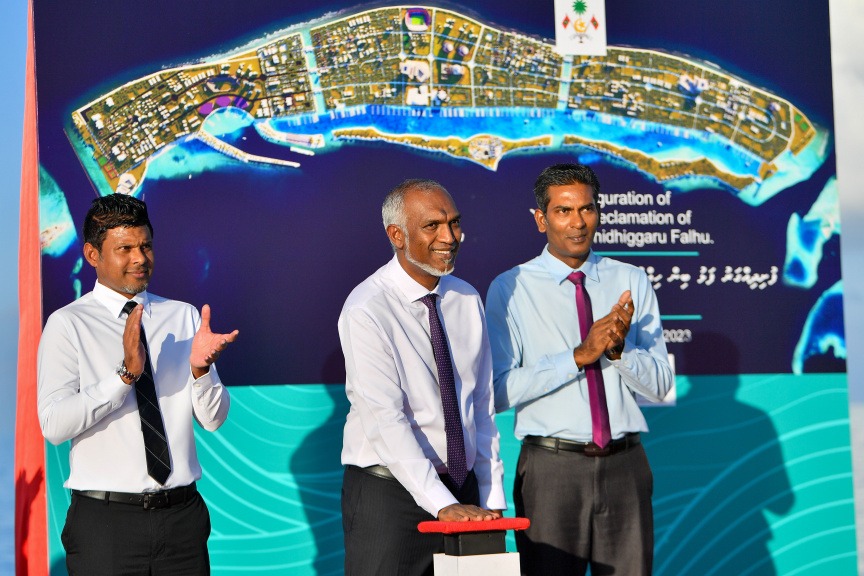
The Ras Malé Eco City is one of the largest urban development projects in the Maldives, and its success depends heavily on ongoing land reclamation efforts. As of 2026, significant progress has been made in transforming the Fushi Dhiggaru Lagoon near Malé into a sprawling eco city that will provide thousands of housing units and modern infrastructure.
Understanding Ras Malé Land Reclamation
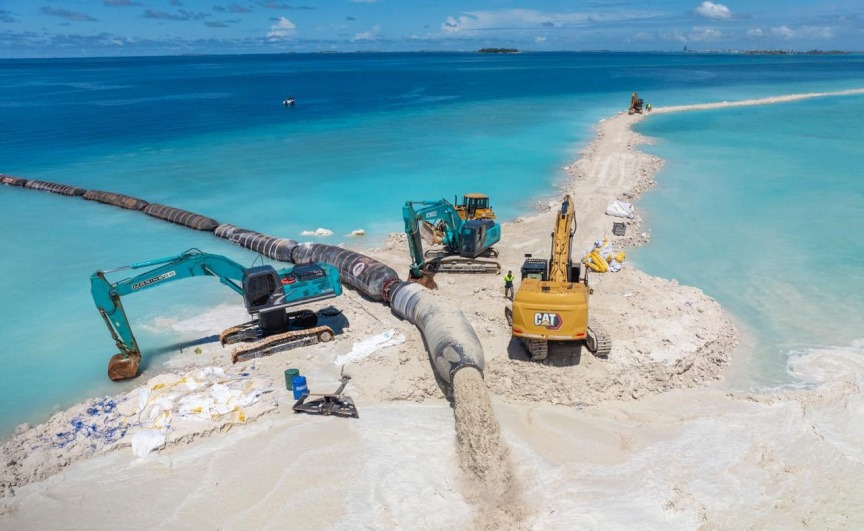
Land reclamation is the process of creating new land from the sea or lagoons. In the Maldives, where available land is limited, reclamation has become essential for urban expansion. The Ras Malé project uses advanced techniques to ensure stable, sustainable, and environmentally responsible reclaimed land.
The goal of Ras Malé’s land reclamation is to create 1,150 hectares of land. This makes it one of the largest land reclamation projects ever attempted in the Maldives, surpassing the scale of Hulhumalé and other previous projects.
Current Progress in 2026
As of the latest updates, approximately 355.3 hectares of land have already been reclaimed, which represents roughly 30.9% of the total project area. The remaining 794.7 hectares are scheduled for reclamation in the coming years.
This progress includes the creation of stable land suitable for housing, infrastructure, and public spaces. Reclaimed areas are being carefully monitored to ensure they meet safety, environmental, and urban planning standards.
Phases of Ras Malé Reclamation
The reclamation process is divided into multiple phases to ensure precision and efficiency:
- Phase 1: Initial reclamation of strategic areas to establish the foundation for residential and commercial zones.
- Phase 2: Expansion of reclaimed land to accommodate additional housing and public facilities.
- Phase 3: Final reclamation and preparation for infrastructure development, including roads, utilities, and public spaces.
Each phase is carefully planned to maintain environmental balance and provide sustainable land for future development.
Techniques Used in Reclamation
Modern engineering techniques are being used to reclaim land for Ras Malé. These include:
- Pumping sand and sediment into designated lagoon areas
- Creating compacted layers to ensure land stability
- Installing coastal protection and erosion control structures
- Continuous monitoring to ensure the reclaimed land can safely support buildings and infrastructure
These techniques are critical to ensure that Ras Malé is safe, durable, and resistant to environmental challenges such as rising sea levels and storms.
Environmental Considerations
Environmental sustainability is a major priority for Ras Malé. The reclamation process is designed to minimize impact on marine life and the surrounding ecosystem. Measures include:
- Careful planning to avoid coral reef damage
- Maintaining water flow in lagoon areas
- Monitoring marine habitats during and after reclamation
- Using eco-friendly reclamation methods where possible
These initiatives help ensure that Ras Malé remains both a livable city and a responsible development in an ecologically sensitive region.
Residential and Commercial Zones on Reclaimed Land
Reclaimed land is being allocated for different purposes, including residential communities, commercial hubs, and public facilities. Early maps show designated zones for:
- High-rise apartments and housing complexes
- Family-friendly neighborhoods
- Retail and office spaces
- Schools, hospitals, and community centers
- Public parks and recreational areas
Proper zoning ensures that the city grows in a balanced and organized manner, with adequate space for all essential services.
Timeline for Full Reclamation
Large-scale reclamation projects take years to complete. The Ras Malé project is expected to continue in phases throughout the next several years. Once the full 1,150 hectares are reclaimed, the city will be ready for comprehensive infrastructure development and residential construction.
Early residential and commercial developments may begin on reclaimed areas as they become stable and ready for construction, allowing gradual city growth rather than waiting for full completion.
Economic and Social Impacts of Reclamation
The land reclamation process itself generates employment and economic activity. Engineers, construction workers, marine specialists, and logistics personnel are all involved in creating the foundation of Ras Malé.
Once the city is developed, the reclaimed land will host thousands of homes, businesses, and public facilities, transforming the Greater Malé Region’s economy and providing improved living conditions for residents.
Monitoring and Quality Control
Reclaimed land must meet strict safety and environmental standards. For Ras Malé, continuous monitoring is conducted to ensure:
- Land stability and suitability for construction
- Minimal environmental disruption
- Compliance with urban planning regulations
- Long-term resilience to climate and weather changes
High-quality reclamation ensures that Ras Malé becomes a safe and sustainable city for generations to come.
Why Ras Malé Reclamation Updates Are Important
Keeping the public informed about reclamation progress is crucial for several reasons:
- Potential residents and investors can track development timelines
- Urban planners and government agencies can coordinate infrastructure and public services
- The media and general public can stay informed about environmental and social impacts
- Transparency encourages confidence in the project’s management and execution
Conclusion
The Ras Malé land reclamation is a cornerstone of the Maldives’ urban development strategy. As of 2026, 355.3 hectares have been successfully reclaimed, with more than 794 hectares still in progress. This reclaimed land will form the foundation for thousands of homes, commercial areas, and public spaces, creating one of the largest eco cities in the country.
Continuous updates on reclamation progress are essential for residents, investors, and policymakers. They provide insight into timelines, infrastructure planning, and environmental management, ensuring Ras Malé develops into a modern, sustainable, and livable city.
For anyone interested in Maldives real estate, eco city planning, or the Greater Malé Region’s growth, following Ras Malé reclamation updates provides a clear view of how this transformative project is shaping the future.