RasMale vs Other Maldives Mega Projects: What Makes It Unique
The Maldives has seen several large-scale urban development projects over the past decades, including Hulhumalé and other reclaimed islands. However, the Ras Malé Eco City stands out as the nation’s largest and most ambitious project. This article compares Ras Malé with other Maldives mega projects, highlighting what makes it unique in terms of scale, design, sustainability, and long-term impact.
Size and Land Reclamation
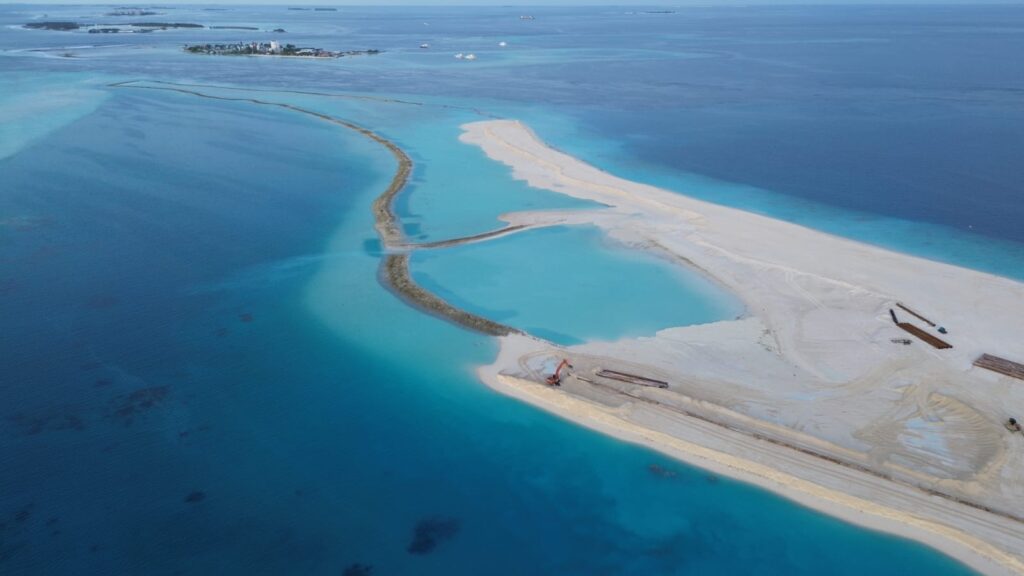
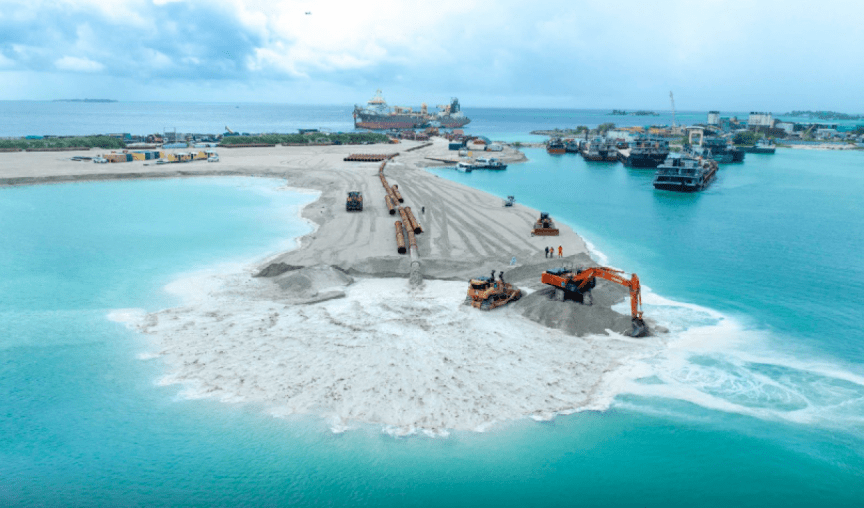
One of the most obvious differences is the sheer size of Ras Malé. Covering 1,150 hectares, Ras Malé is nearly three times the combined area of Hulhumalé phases. This large-scale land reclamation allows for:
- More residential units (up to 65,000 homes planned)
- Larger commercial zones and public facilities
- Well-planned neighborhoods with green spaces and infrastructure
- Flexibility for future expansion and urban planning
By contrast, Hulhumalé’s two phases provide a smaller area, limiting the number of housing and commercial units that can be developed.
Purpose and Vision
While both projects aim to address population pressure and urban growth, Ras Malé has a broader vision:
- Creating a self-sufficient eco city with modern infrastructure
- Providing sustainable housing solutions for middle- and low-income residents
- Integrating renewable energy and eco-friendly urban planning
- Offering investment opportunities in both residential and commercial real estate
Other projects like Hulhumalé primarily focus on expanding land for housing and basic urban development without the same level of eco-conscious planning.
Infrastructure and Connectivity
Ras Malé is designed with state-of-the-art infrastructure to support a modern city:
- Extensive road networks with main arterial roads, secondary roads, and pedestrian-friendly streets
- Utilities including electricity, water, sewage, and broadband connectivity
- Public facilities such as schools, hospitals, and community centers
- Transport links connecting Ras Malé to Malé and other key islands
Other mega projects have infrastructure, but Ras Malé’s scale and integration of sustainable technologies make it stand out as a forward-thinking urban hub.
Sustainability Features
Ras Malé prioritizes eco-friendly living, with features such as:
- Energy-efficient residential and commercial buildings
- Renewable energy integration
- Water conservation and wastewater treatment
- Recycling and waste management programs
- Green public spaces and biodiversity preservation
While Hulhumalé and other projects include some environmental considerations, Ras Malé’s comprehensive approach to sustainability is a distinguishing factor.
Housing and Social Planning
Ras Malé aims to provide housing for up to 65,000 residents, offering a mix of:
- High-rise apartments
- Affordable housing units
- Mixed-use residential developments
- Family-friendly neighborhoods
The project emphasizes social sustainability by designing neighborhoods that promote community interaction, accessibility, and safety. Other Maldives mega projects may focus more narrowly on residential construction without the same emphasis on mixed-income planning and social infrastructure.
Investment Opportunities
Ras Malé offers a wide range of investment opportunities, from residential properties to commercial hubs. The combination of sustainable urban planning, large-scale development, and proximity to Malé makes it highly attractive to investors. Hulhumalé also presents investment opportunities but on a smaller scale and with less emphasis on eco-conscious design.
Timeline and Development Speed
Ras Malé is being developed in phases, starting with land reclamation, followed by infrastructure, residential units, and commercial areas. Full development is expected over the next decade, allowing gradual absorption of residents and businesses. Other mega projects, like Hulhumalé, have completed earlier phases but face space limitations that restrict future expansion.
Key Takeaways: What Makes Ras Malé Unique
- Scale: Largest land reclamation project in the Maldives
- Sustainability: Eco-friendly features integrated into all aspects of the city
- Diverse Housing: Mixed-income and family-friendly options for thousands of residents
- Modern Infrastructure: Roads, utilities, and public facilities built for long-term use
- Investment Potential: Strong opportunities in real estate and commercial development
- Integration: Well-connected to Malé and other urban hubs in the Greater Malé Region
Conclusion
When comparing Ras Malé vs other Maldives mega projects, it becomes clear that Ras Malé is a game-changer. Its combination of size, sustainability, modern infrastructure, and investment potential sets it apart. While projects like Hulhumalé have expanded urban land and provided housing solutions, Ras Malé represents the future of eco-conscious, large-scale urban development in the Maldives.
For residents, investors, and urban planners, Ras Malé offers a unique opportunity to be part of a sustainable, modern city designed to meet the Maldives’ housing and economic needs for decades to come.