Ras Malé Eco City: How It Will Solve the Maldives Housing Crisis
The Maldives has long faced a serious housing shortage, especially in the capital region. As the population continues to grow and economic activity expands, the demand for housing has increased dramatically. Limited land availability has made it difficult to provide enough homes for residents. This is where the Ras Malé Eco City project comes in.
Ras Malé is one of the most ambitious urban development projects in the Maldives. Designed as a modern eco city, it aims to provide thousands of housing units while creating a sustainable and well-planned urban environment. Located close to the capital city of Malé, the new development could play a major role in solving the country’s housing challenges.
The Growing Housing Crisis in the Maldives
The Maldives consists of hundreds of small islands spread across the Indian Ocean. While this geography makes the country famous for its natural beauty, it also creates major limitations for urban development.
The capital city of Malé is one of the most densely populated cities in the world. Thousands of people live and work in a very small land area. As a result, housing prices have increased significantly and many residents face difficulties finding affordable homes.
The situation has become even more challenging as more people move to the Greater Malé Region in search of employment, education, and better services.
Why More Housing Is Needed
Several factors have contributed to the housing shortage in the Maldives:
- Rapid population growth in the capital region
- Limited land available for expansion
- High demand for modern housing
- Migration from outer islands to Malé for employment
Because of these factors, providing large-scale housing solutions has become a priority for urban planners and policymakers.
The Role of Ras Malé in Addressing the Housing Problem
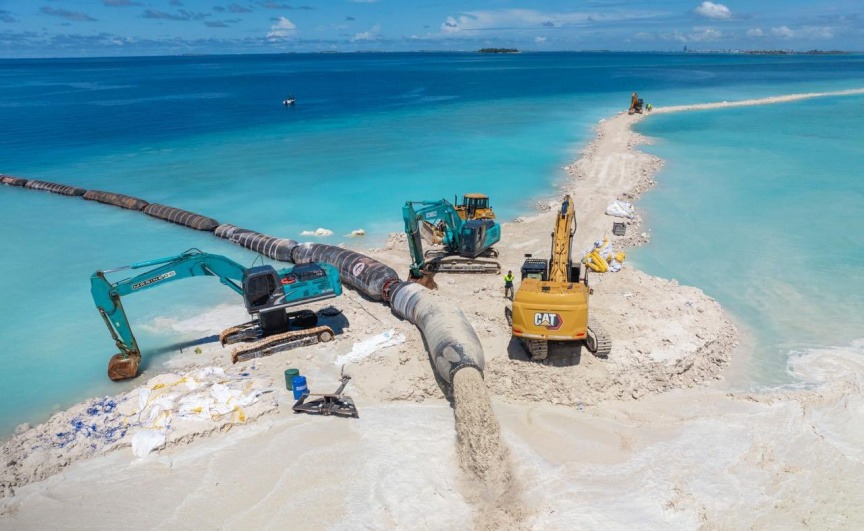
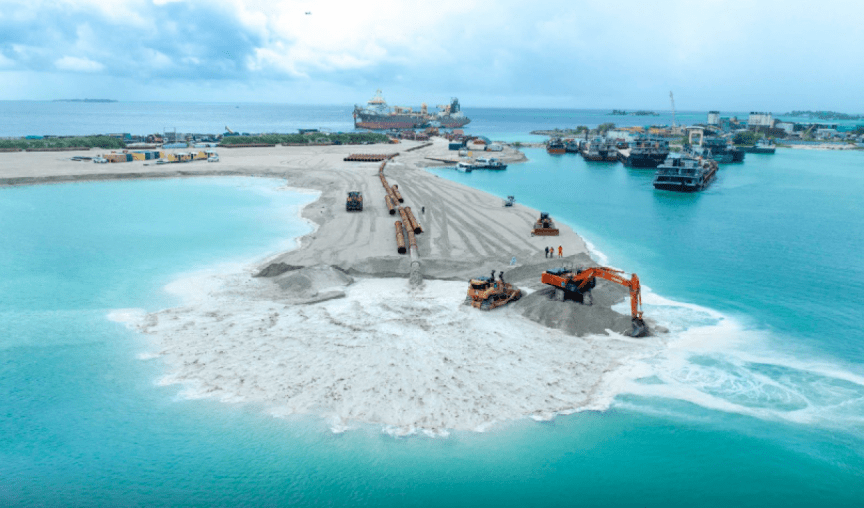
The Ras Malé Eco City project has been designed specifically to address these challenges. By creating a new city on reclaimed land, the project provides a large area for residential development.
The new city will cover approximately 1,150 hectares of land, making it one of the largest urban development projects in the Maldives.
This vast land area allows planners to develop a wide range of housing options that can accommodate tens of thousands of residents.
65,000 Housing Units Planned
One of the most important aspects of the Ras Malé project is its housing capacity. The development is expected to provide approximately 65,000 housing units.
This large number of residential units will significantly increase the housing supply in the Greater Malé Region.
The housing developments may include:
- Modern apartment complexes
- Affordable housing units
- Mixed-use residential communities
- Family housing developments
By offering different types of housing, Ras Malé aims to accommodate residents from various income levels.
Reducing Overcrowding in Malé
Overcrowding is one of the biggest challenges faced by the capital city. With limited land and a growing population, Malé has become extremely congested.
The development of Ras Malé can help distribute the population more evenly across the region. Instead of concentrating most residents in Malé, the new eco city will provide an alternative location for housing and urban living.
This redistribution of population can improve living conditions and reduce pressure on existing infrastructure in the capital.
Learning from Hulhumalé
The Maldives has already experienced the success of large-scale land reclamation through the development of Hulhumalé. That project created a new urban island that now houses thousands of residents.
Hulhumalé demonstrated that land reclamation can effectively expand the country’s urban capacity. However, Ras Malé is planned on an even larger scale.
By building on the lessons learned from Hulhumalé, planners hope to create an even more efficient and sustainable urban environment.
Modern Urban Planning
Unlike older cities that developed gradually over time, Ras Malé is being designed as a fully planned city from the beginning. This allows planners to incorporate infrastructure and public services directly into the city layout.
The eco city is expected to include:
- Wide road networks and transportation systems
- Reliable water and electricity infrastructure
- Schools and educational institutions
- Healthcare facilities
- Public parks and green spaces
- Commercial and business districts
These facilities will help create a balanced and livable urban environment for future residents.
Sustainable and Eco-Friendly Development
The Ras Malé project is often described as an eco city because of its focus on environmental sustainability. This is particularly important for a country like the Maldives, which faces environmental challenges related to climate change and sea level rise.
Possible sustainability features may include:
- Energy-efficient building designs
- Renewable energy integration
- Green public spaces and parks
- Improved waste management systems
- Sustainable water management
These initiatives aim to ensure that Ras Malé remains environmentally responsible while supporting long-term urban growth.
Economic Opportunities Created by the Project
Large infrastructure developments often bring significant economic benefits. The construction phase alone creates jobs for engineers, architects, construction workers, and project managers.
As Ras Malé develops into a functioning city, new businesses, retail centers, and commercial activities will emerge. This economic growth can create additional employment opportunities for residents.
The development may also attract investment in real estate and infrastructure projects within the region.
The Future of Housing in the Maldives
The Ras Malé Eco City project represents a long-term strategy to solve one of the Maldives’ most pressing challenges. By creating a new city designed for modern living, the project expands the country’s urban capacity significantly.
Over time, Ras Malé could become one of the most important residential and economic centers in the Greater Malé Region.
Its large land area, housing capacity, and modern infrastructure provide the foundation for a sustainable and organized urban future.
Conclusion
The housing crisis in the Maldives has been a growing concern for many years. Limited land, increasing population, and rising housing costs have made it difficult for many residents to find suitable homes.
The Ras Malé Eco City project offers a promising solution. With plans for 65,000 housing units and over 1,150 hectares of reclaimed land, the development has the potential to significantly expand housing availability in the Greater Malé Region.
As the project continues to progress, Ras Malé could become a key part of the Maldives’ strategy for improving living conditions and creating a sustainable urban future.