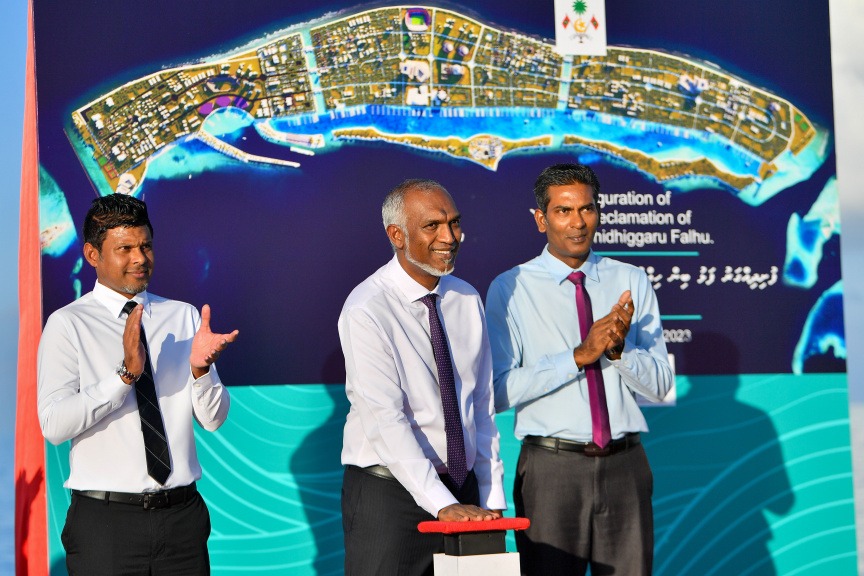
Future of Ras Malé: What the Maldives Eco City Will Look Like in 2030
The Ras Malé Eco City is set to transform the Maldives’ urban landscape, offering a vision of modern, sustainable, and well-planned city living. By 2030, Ras Malé is expected to be a thriving hub for residents, businesses, and tourists, with advanced infrastructure, eco-friendly features, and a high quality of life. This article explores what Ras Malé will look like in 2030 and why it represents the future of urban development in the Maldives.
Ras Malé 2030: The Master Plan Realized
Ras Malé’s development is structured in phases, ensuring a smooth, organized transformation. By 2030, the city is expected to:
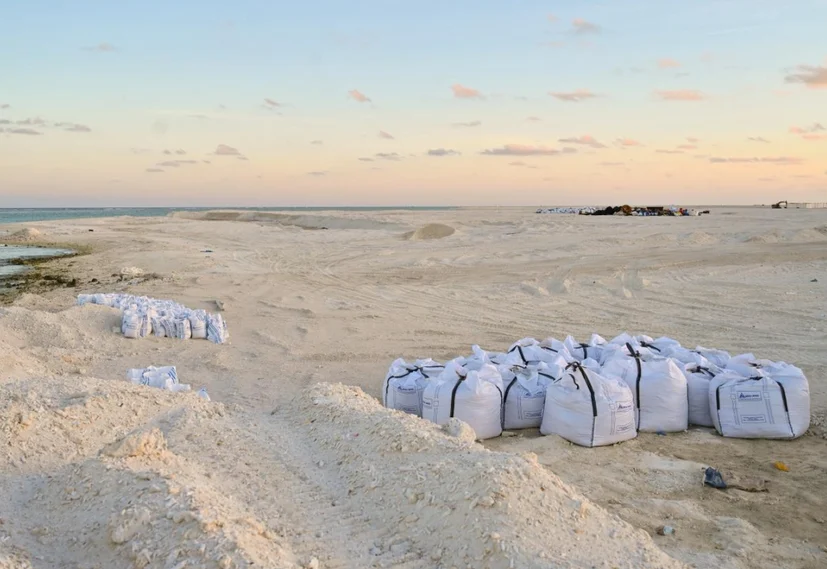
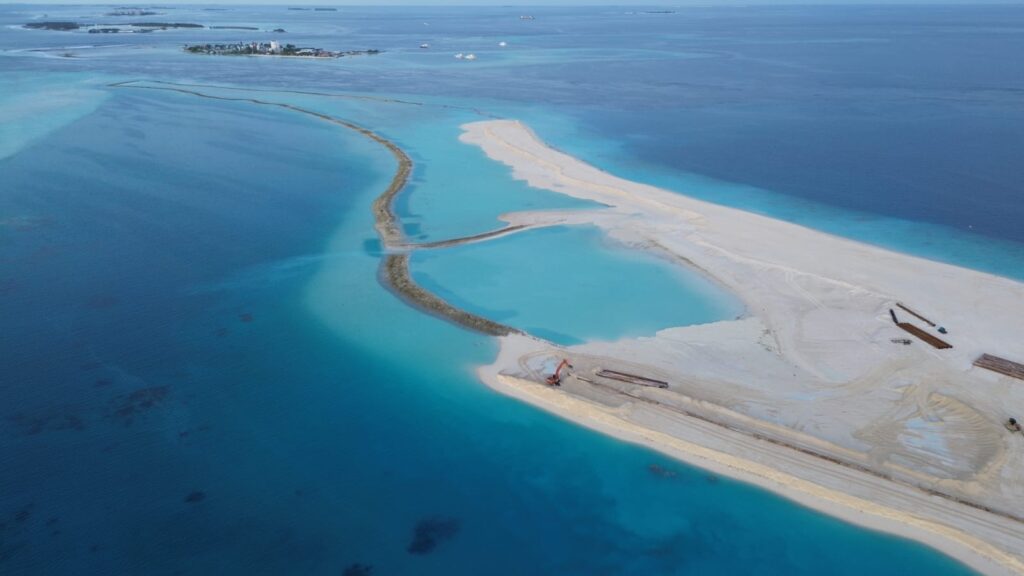
- Complete land reclamation across 1,150 hectares
- Offer housing for up to 65,000 residents
- Develop commercial, industrial, and recreational zones
- Integrate eco-friendly infrastructure throughout the city
- Provide world-class public facilities including schools, hospitals, and parks
This comprehensive development will make Ras Malé a fully functional city, capable of supporting a growing population while maintaining sustainable living standards.
Residential Neighborhoods
By 2030, Ras Malé will feature a variety of residential options:
- High-rise apartments: Modern towers with amenities such as gyms, swimming pools, and community spaces.
- Affordable housing units: Designed for middle- and low-income families, promoting social inclusivity.
- Mixed-use developments: Residential units above commercial spaces for convenience and urban integration.
- Family-friendly neighborhoods: Parks, playgrounds, and pedestrian-friendly streets to support a healthy lifestyle.
These residential areas will be complemented by advanced utilities, efficient waste management, and energy-efficient building designs.
Commercial and Business Hubs
Ras Malé’s commercial areas will grow significantly by 2030, including:
- Office buildings and co-working spaces for local and international businesses
- Shopping malls, retail centers, and supermarkets
- Restaurants, cafes, and hospitality establishments
- Logistics hubs and warehouses supporting the Greater Malé Region
These hubs will not only provide employment opportunities but also stimulate economic activity and attract investors.
Green and Eco-Friendly City Features
One of the most notable aspects of Ras Malé is its eco-conscious design. By 2030, the city will showcase:
- Renewable energy integration, including solar power and low-emission public transport
- Water conservation systems, rainwater harvesting, and wastewater recycling
- Green public spaces, parks, and biodiversity preservation zones
- Pedestrian-friendly streets and cycling lanes to reduce vehicle emissions
- Smart building technologies for energy efficiency
These sustainable features will set Ras Malé apart as a model for future urban development in the Maldives.
Transportation and Connectivity
By 2030, Ras Malé will offer seamless connectivity:
- Well-planned road networks with arterial roads, secondary streets, and pedestrian pathways
- Ferry systems connecting Ras Malé with Malé and surrounding islands
- Public transport, including buses and shuttles, designed for efficiency and eco-friendliness
- Integration of smart traffic management systems to reduce congestion
These transportation improvements will make commuting faster, safer, and more sustainable.
Public Facilities and Amenities
The city will include state-of-the-art facilities to enhance residents’ quality of life:
- Schools, colleges, and educational institutions for all age groups
- Healthcare facilities including hospitals, clinics, and wellness centers
- Sports complexes, gyms, and recreational areas
- Parks, waterfront promenades, and community centers
- Cultural hubs to support arts, events, and tourism
These amenities ensure Ras Malé is not just a residential city but a vibrant, fully functional urban ecosystem.
Economic Growth and Investment Opportunities
By 2030, Ras Malé will be a prime destination for investment:
- Real estate opportunities in residential and commercial sectors
- Tourism-related investments due to the city’s strategic location
- Retail and service industry expansion driven by population growth
- Infrastructure and logistics investments supporting the Greater Malé Region
Early investors can benefit from property appreciation and rental demand as the city develops into a major urban hub.
Social and Community Development
Ras Malé’s planners emphasize social sustainability. By 2030, the city will feature:
- Inclusive housing for different income levels
- Community parks, playgrounds, and shared spaces to encourage interaction
- Access to public services and safe neighborhoods for families
- Programs to foster community engagement and cultural activities
Strong social infrastructure ensures that Ras Malé remains a healthy, thriving community.
Technological Integration and Smart City Features
Ras Malé is expected to incorporate smart city technologies by 2030:
- IoT-based traffic and utility management
- Smart energy grids for efficient electricity use
- Advanced waste monitoring and recycling systems
- Digital platforms for public services and citizen engagement
These innovations will make Ras Malé a modern, efficient, and technologically advanced city.
Conclusion
The future of Ras Malé is one of sustainability, growth, and modern urban living. By 2030, the city is set to become a model for eco-friendly, well-planned urban development in the Maldives. With state-of-the-art residential, commercial, and public facilities, Ras Malé will not only address the housing crisis but also provide economic, social, and environmental benefits.
Investors, residents, and policymakers can look forward to a thriving, sustainable city that sets new standards for urban development in the region. Ras Malé represents the Maldives’ vision for a future where growth, sustainability, and quality of life go hand in hand.