RasMale Completion Date: When Will the New City Be Ready?
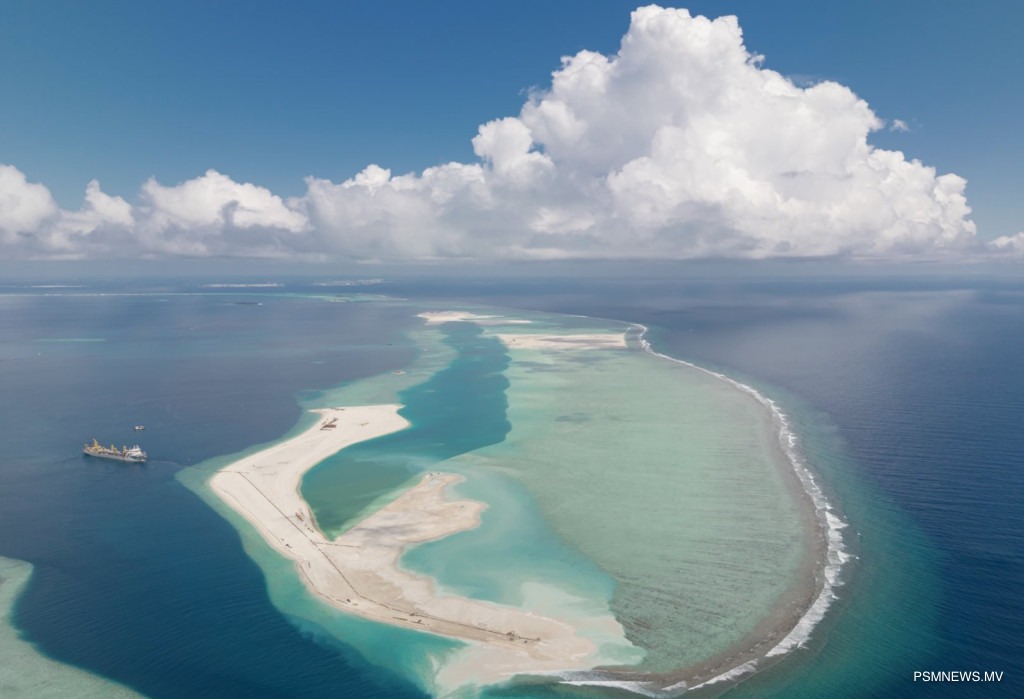
The RasMalé city project is one of the largest urban development initiatives ever launched in the Maldives. Announced in December 2023, the project aims to reclaim more than 1,100 hectares of land in the Fushidhiggaru Lagoon and develop a modern eco-friendly city.
As excitement about the project grows, many people are asking an important question: When will RasMalé be completed?
Because RasMalé is such a large project, development will happen in multiple phases over several years. In this article, we explore the expected RasMalé completion timeline and what residents, investors, and businesses can expect.
Launch of the RasMalé Project
The RasMalé project was officially launched on December 18, 2023. The government introduced the project as a long-term solution to the housing shortage in the capital region.
The plan includes reclaiming approximately 1,153 hectares of land, making it the largest land reclamation project in the Maldives.
The city is expected to include around 65,000 housing units along with modern infrastructure, commercial districts, parks, and public facilities.
Why RasMalé Will Take Time to Build
Large urban development projects require careful planning, engineering, and construction. Building an entirely new city on reclaimed land involves several complex steps.
Some of the main stages include:
- Environmental studies and planning
- Land reclamation and dredging
- Infrastructure construction
- Residential and commercial development
- Public services and facilities
Each of these stages requires time to complete safely and efficiently.
Phase 1: Land Reclamation
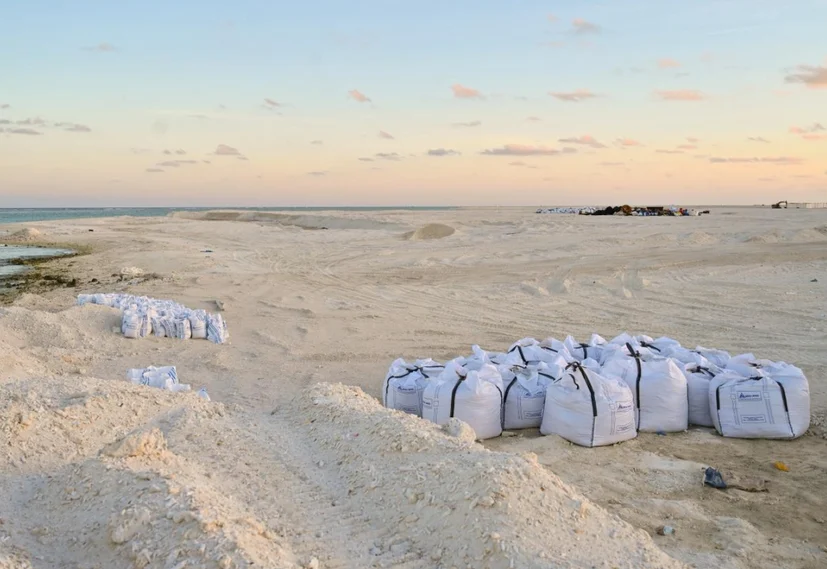
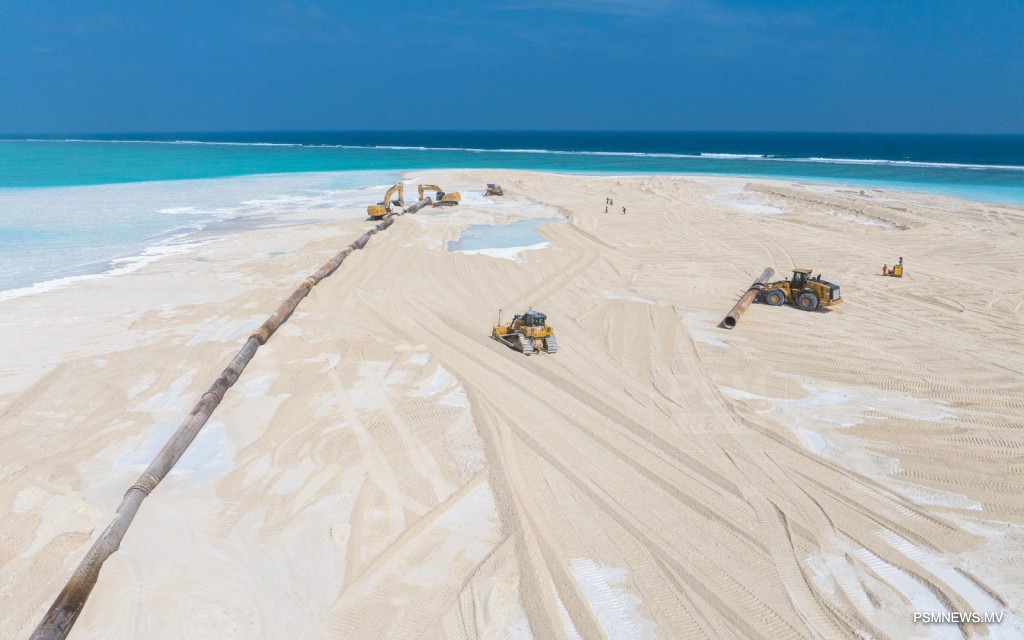
The first stage of the RasMalé project involves reclaiming land from the Fushidhiggaru Lagoon. This process involves dredging sand from the seabed and depositing it in designated areas to create new land.
Land reclamation alone can take several years depending on the size of the project and environmental conditions.
During this phase, engineers also focus on stabilizing the newly created land to prepare it for construction.
Phase 2: Infrastructure Development
Once the reclaimed land is stable, the next step is building basic infrastructure. Infrastructure is essential for making the city functional and livable.
This phase typically includes:
- Road networks
- Electricity systems
- Water supply infrastructure
- Sewage and drainage systems
- Communication networks
Without these systems in place, residential and commercial construction cannot begin.
Phase 3: Housing Construction
After the basic infrastructure is established, the next major stage is housing construction.
The RasMalé development aims to provide approximately 65,000 housing units. These homes will likely include a mix of government housing projects, private apartments, and residential plots.
Construction of housing units may take place in multiple phases to allow residents to gradually move into the city.
Phase 4: Commercial and Community Development
A successful city requires more than just housing. Residents also need access to services, businesses, and recreational facilities.
This phase of development may include:
- Schools and educational institutions
- Hospitals and healthcare facilities
- Shopping centers
- Parks and public spaces
- Government offices
These features help transform RasMale into a fully functioning urban community.
Estimated Timeline for RasMale
Although an exact completion date has not been officially confirmed, projects of this size often take many years to fully develop.
Based on similar projects and development timelines, RasMale could be built gradually over the next decade.
Early phases of the city may become operational sooner, allowing residents and businesses to begin using parts of the development before the entire project is completed.
Comparison with Hulhumalé Development
The development of Hulhumalé provides an example of how long major reclamation projects can take.
Hulhumalé was developed in multiple phases over many years, with new housing and infrastructure gradually added as the city expanded.
RasMalé is expected to follow a similar development pattern, although modern technology may allow construction to progress more efficiently.
Factors That Can Affect the Completion Date
Several factors can influence the timeline of large infrastructure projects like RasMalé.
These may include:
- Environmental conditions
- Construction capacity
- Funding availability
- Government planning decisions
- Engineering challenges
Because of these variables, large city projects often evolve over time as new information and technologies become available.
Early Development Opportunities
Even before the entire city is completed, early phases of RasMalé may begin offering housing and business opportunities.
Developers often prioritize certain districts so that residents can move into the city while construction continues in other areas.
This phased development approach allows the city to grow gradually while maintaining efficient construction progress.
Economic Impact During Construction
The construction of RasMalé itself will generate significant economic activity. Large infrastructure projects create jobs for engineers, construction workers, project managers, and many other professionals.
Local businesses may also benefit from increased demand for materials, services, and logistics.
As the city grows, additional economic opportunities may emerge in retail, tourism, and commercial development.
Long-Term Vision for RasMalé
The RasMalé project is part of a broader vision to expand the capital region and improve living conditions in the Maldives.
Once fully developed, the city is expected to become a major residential and commercial hub.
Its large land area and modern infrastructure will allow it to support future population growth while maintaining a high quality of life for residents.
Conclusion
The RasMalé completion date will depend on several factors, including land reclamation progress, infrastructure development, and housing construction.
Because the project is so large, it will likely be developed over multiple phases spanning several years.
However, once completed, RasMalé has the potential to become one of the most important urban centers in the Maldives, providing housing, economic opportunities, and modern infrastructure for thousands of residents.
Frequently Asked Questions
When will RasMalé be completed?
There is no exact completion date yet, but the project will likely be developed in phases over several years.
When will people be able to live in RasMalé?
Residents may begin moving into early phases of the city once housing and infrastructure are completed.
How big will RasMalé be?
The project plans to reclaim approximately 1,153 hectares of land, making it the largest urban development in the Maldives.
How many homes will RasMalé include?
The development is expected to provide around 65,000 housing units.