
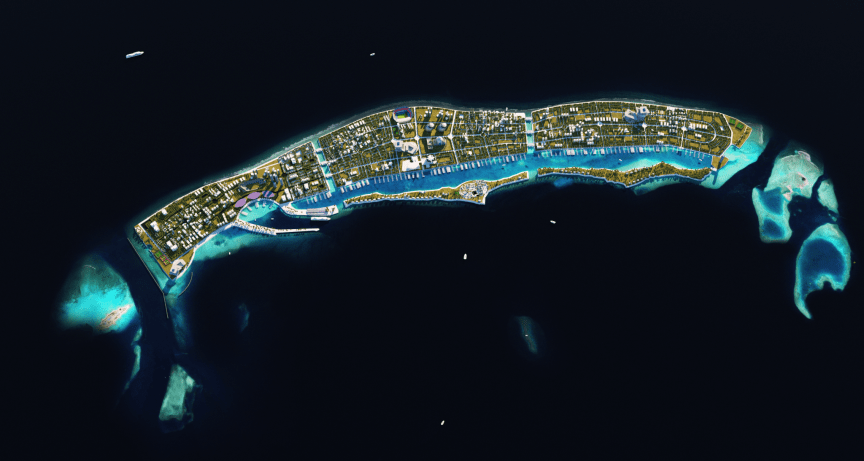
Eco-Friendly Smart City Plans for RasMale
The RasMalé city project is not just another land reclamation development. It is planned as an eco-friendly smart city designed to support sustainable living in the Maldives. As the country faces challenges related to climate change, population growth, and urban expansion, modern city planning has become increasingly important.
RasMalé represents an opportunity to build a city from the ground up using advanced technology, environmentally responsible infrastructure, and efficient urban design.
The goal is to create a city that provides comfortable living spaces while minimizing environmental impact and supporting long-term sustainability.
What Is an Eco-Friendly Smart City?
An eco-friendly smart city combines modern technology with sustainable urban planning. These cities use digital systems, efficient infrastructure, and green technologies to improve quality of life for residents while reducing environmental impact.
Key features of smart cities often include:
- Renewable energy systems
- Efficient waste management
- Smart transportation networks
- Green public spaces
- Energy-efficient buildings
By integrating these elements into its design, RasMalé aims to become one of the most modern urban developments in the Maldives.
Sustainable Land Reclamation
One of the first steps in building RasMalé is the land reclamation process. Because the Maldives consists of small islands, land reclamation has become a necessary method for creating space for housing and infrastructure.
However, modern reclamation projects aim to reduce environmental impact by carefully managing dredging activities and protecting marine ecosystems.
Sustainable reclamation practices may include:
- Monitoring water quality during construction
- Protecting nearby coral reefs
- Reducing sediment spread
- Creating artificial reef habitats
These measures help protect the surrounding marine environment while allowing the city to expand.
Green Urban Planning
Urban planners are increasingly focusing on creating cities that prioritize environmental sustainability and livability. RasMalé is expected to incorporate modern planning strategies that balance residential, commercial, and recreational spaces.
Instead of overcrowded neighborhoods, the city may include well-organized districts with parks, pedestrian zones, and open public spaces.
Green urban planning typically includes:
- Tree-lined streets
- Urban parks and gardens
- Waterfront recreational areas
- Public walkways and cycling paths
These features improve both environmental quality and residents’ quality of life.
Renewable Energy Solutions
Renewable energy will likely play an important role in the RasMalé smart city concept. Many modern cities are investing in solar energy and other renewable technologies to reduce dependence on fossil fuels.
The Maldives receives abundant sunlight throughout the year, making solar power an ideal energy source.
Possible renewable energy solutions for RasMalé may include:
- Solar panels on residential buildings
- Solar-powered street lighting
- Smart energy grids
- Energy storage systems
These technologies can reduce electricity costs and lower carbon emissions.
Smart Transportation Systems
Transportation is another important part of sustainable city planning. RasMalé is expected to develop transportation systems that reduce traffic congestion and support environmentally friendly travel.
Smart transportation may include:
- Electric buses
- Efficient ferry networks
- Pedestrian-friendly streets
- Dedicated cycling lanes
Encouraging public transportation and non-motorized travel helps reduce pollution and improve air quality.
Smart Infrastructure Technology
Smart cities use digital technology to manage infrastructure more efficiently. Sensors and data systems can help monitor energy use, water consumption, traffic flow, and waste management.
In RasMalé, smart infrastructure could help improve city management by providing real-time data for urban planners and city authorities.
This type of technology allows cities to operate more efficiently and respond quickly to changing conditions.
Efficient Water Management
Water management is especially important in island nations like the Maldives. Sustainable cities must carefully manage freshwater resources while protecting surrounding marine ecosystems.
RasMalé may include advanced water management systems such as:
- Rainwater harvesting systems
- Water recycling facilities
- Modern desalination plants
- Efficient drainage systems
These technologies ensure that residents have access to clean water while minimizing environmental impact.
Modern Waste Management
Waste management is another major challenge for growing cities. Poor waste handling can lead to pollution and environmental damage.
RasMalé’s smart city plan may include advanced waste management solutions designed to reduce landfill use and encourage recycling.
Possible waste management features include:
- Automated waste collection systems
- Recycling facilities
- Waste-to-energy technologies
- Community recycling programs
These initiatives help maintain a cleaner and healthier environment.
Climate Resilience
Climate change presents serious challenges for island nations, including rising sea levels and extreme weather events. Because of this, new urban developments must be designed with climate resilience in mind.
RasMalé’s infrastructure may include protective coastal structures, elevated building designs, and improved drainage systems.
These features can help protect the city from flooding and storm surges while ensuring long-term sustainability.
Creating Livable Communities
A successful city is not only environmentally sustainable but also comfortable and enjoyable for residents. RasMalé is expected to include community spaces that support social interaction and recreation.
These may include:
- Parks and green spaces
- Sports facilities
- Community centers
- Waterfront promenades
Such spaces encourage healthy lifestyles and stronger communities.
The Future of Sustainable Cities in the Maldives
The development of RasMalé could mark a major step forward for sustainable urban development in the Maldives. By combining modern technology with eco-friendly planning, the project aims to create a city that meets the needs of future generations.
If successful, RasMalé may serve as a model for future city development projects across the country.
It could also demonstrate how small island nations can adopt innovative solutions to address environmental and urban challenges.
Conclusion
The eco-friendly smart city plans for RasMalé highlight the Maldives’ commitment to sustainable urban development. Through renewable energy systems, smart infrastructure, efficient transportation, and environmental protection, the city aims to provide modern living standards while preserving the natural environment.
As development continues, RasMalé has the potential to become one of the most advanced and sustainable cities in the Maldives.
Frequently Asked Questions
What makes RasMalé an eco-friendly city?
RasMalé is planned with renewable energy, green spaces, sustainable infrastructure, and smart city technologies.
Will RasMalé use renewable energy?
Renewable energy solutions such as solar power are expected to be part of the city’s energy system.
How will RasMalé protect the environment?
The project aims to use sustainable land reclamation methods and environmentally responsible urban planning.
Is RasMalé a smart city?
Yes, RasMalé is expected to incorporate smart infrastructure and digital technologies to improve urban management.