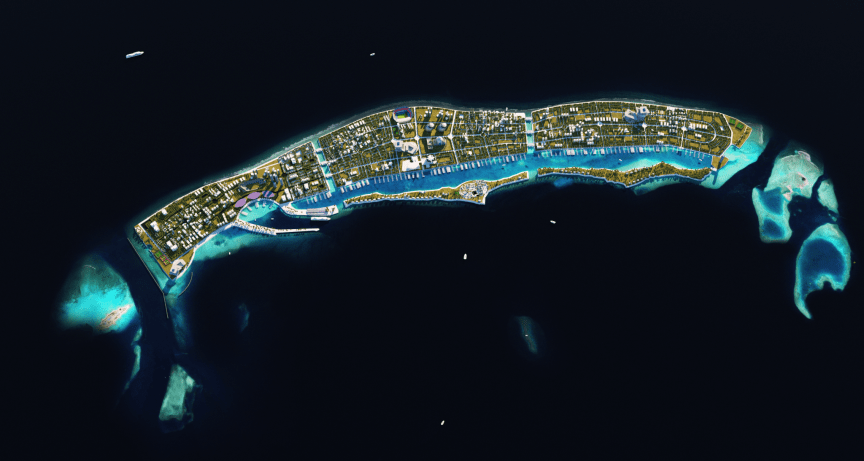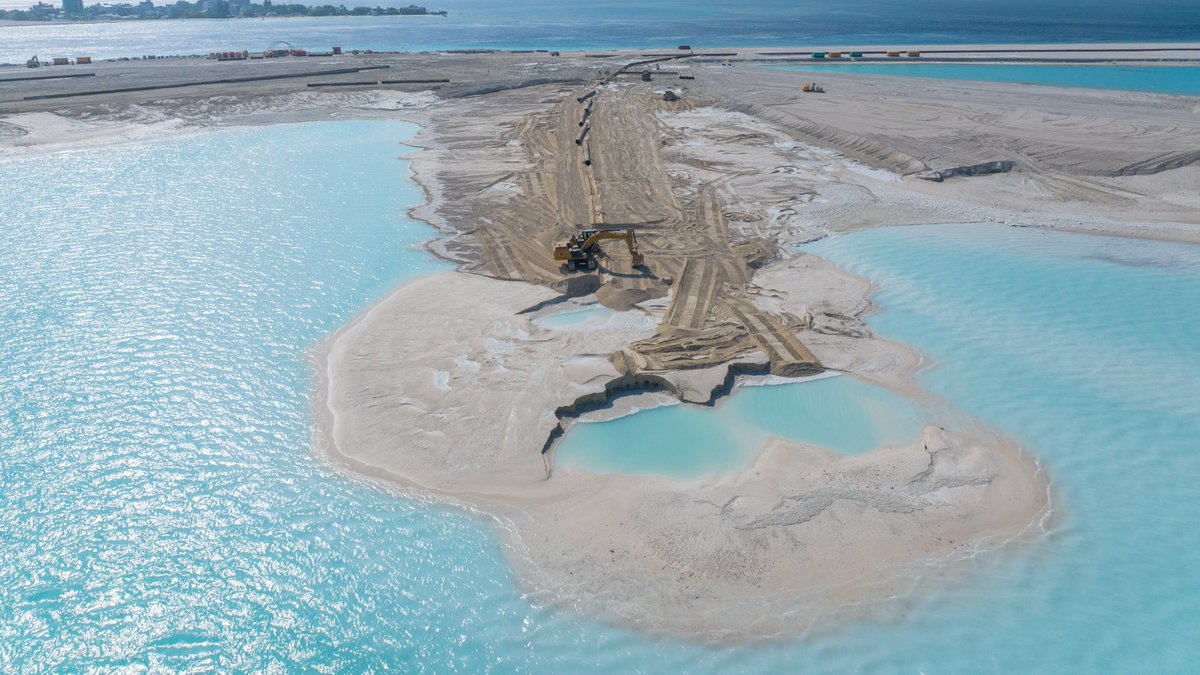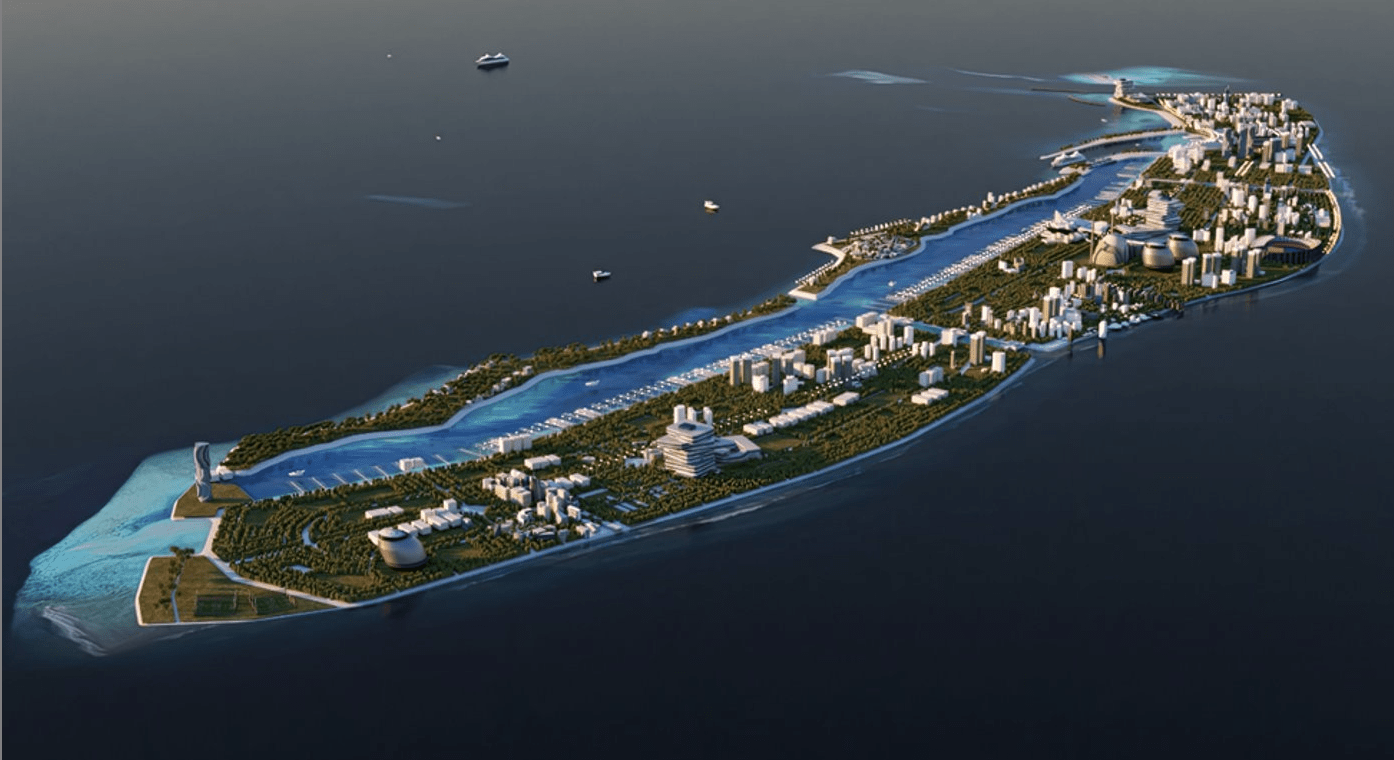
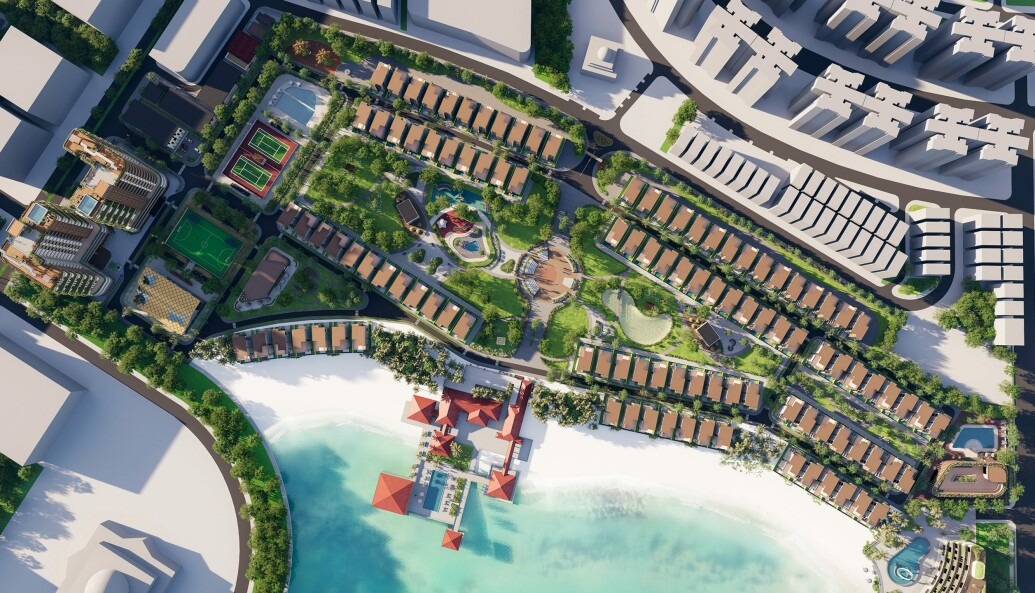
The Ministry of Housing has announced that applications for land plots and flats under the government’s “Housing for All” programme will open on 15 January. The initiative places strong emphasis on Rasmale, positioning it as a major residential expansion zone for the Greater Malé Region.
Applicants can submit their forms through the Hiyaavehi Portal from 15 January to 14 April. The government plans to allocate 7,900 flats and 15,000 land plots across 1,250 acres, with a significant portion dedicated to Rasmale. This makes Rasmale one of the largest housing development areas in the country’s history.
Rasmale at the Centre of Housing Expansion
Rasmale plays a central role in solving congestion and housing shortages in Malé. As land becomes increasingly scarce in the capital, authorities have turned to Rasmale to create new residential opportunities for thousands of families.
Instead of concentrating growth within already crowded areas, the government aims to expand outward in a planned and structured way. Rasmale offers the space required to build modern communities with proper infrastructure, road networks, public facilities, and green areas.
The Housing for All programme uses Rasmale as a long-term solution rather than a temporary fix. Officials expect the area to evolve into a fully integrated urban community that supports both residential and commercial activity.
Allocation Plan and Scale
The scale of the programme demonstrates a serious commitment to addressing housing needs. Authorities will distribute:
7,900 housing flats
15,000 land plots
1,250 acres of residential development
A large share of this allocation will go to Rasmale. By directing substantial land distribution toward Rasmale, the government aims to reduce population pressure in Malé while offering realistic homeownership opportunities.
Flats will vary in size based on household needs. The Ministry now holds greater flexibility in matching applicants with appropriate unit sizes. This adjustment improves fairness and ensures better use of available space.
Land plots in Rasmale will provide families with the option to construct their own homes, giving them greater long-term independence and financial security.
Priority Structure and Eligibility
The government structured land categories to prioritise residents of Malé City. Long-term residents who face overcrowded living conditions will receive special consideration.
Special priority groups may receive plots in both the Greater Malé area and Rasmale. Meanwhile, Maldivians from other islands who currently live in Malé will qualify specifically for land allocations in Rasmale.
This structure ensures fair distribution while recognising housing pressures in the capital. It also allows Rasmale to absorb new residential growth in a balanced manner.
By opening opportunities in Rasmale, the programme expands eligibility beyond traditional central zones and provides broader access to land ownership.
Stronger Policy Direction
The Housing for All initiative forms part of President Mohamed Muizzu’s national pledge to guarantee adequate housing for every Maldivian above 18 years of age.
The administration has revised earlier allocation criteria to improve transparency and adaptability. Instead of rigid frameworks, the Ministry can now determine the most suitable housing option for each applicant.
The government also continues projects initiated by previous administrations. However, officials have refined policies to align them with current housing demand and population growth trends.
Rasmale reflects this updated strategy. It represents forward planning rather than short-term expansion.
Why Rasmale Matters
Rasmale offers more than additional land. It represents a shift in how the Maldives approaches urban development.
Malé faces severe land limitations, high rental costs, and dense living conditions. Rasmale provides room for structured expansion, which can ease pressure on infrastructure and improve overall living standards.
Planners expect Rasmale to include:
Schools
Health centres
Recreational spaces
Commercial zones
Road and utility infrastructure
By designing Rasmale as a self-sufficient township, authorities aim to prevent future overcrowding problems.
As development progresses, Rasmale may attract businesses and services that create employment opportunities. New housing construction alone will stimulate economic activity across multiple sectors.
Application Process
The Hiyaavehi Portal will handle all submissions between 15 January and 14 April. Applicants must provide documentation confirming eligibility, residency status, and household information.
Officials encourage early applications due to expected high demand, particularly for land in Rasmale.
The Ministry has committed to maintaining transparency throughout the review process. Authorities will assess applications carefully and communicate decisions clearly.
Because Rasmale forms a key part of the programme, many applicants are likely to select it as their preferred option.
Economic and Social Impact of Rasmale
The development of Rasmale could reshape the housing market in the Greater Malé Region. As more families secure land or flats in Rasmale, rental pressure in central Malé may gradually decrease.
Property ownership in Rasmale also provides families with long-term financial stability. Land and housing assets typically appreciate over time, especially in expanding urban regions.
Construction projects in Rasmale will generate employment in engineering, logistics, retail supply, and related services. As residents move in, demand for shops, restaurants, schools, and healthcare facilities will grow.
Rasmale could therefore become not only a housing solution but also an economic growth driver.
Sustainability and Urban Planning
Urban planners must consider climate resilience when developing new areas in the Maldives. Rasmale’s design is expected to incorporate sustainable infrastructure and environmentally responsible planning.
Developers may include improved drainage systems, elevated structures, and green spaces. These features can reduce environmental risks and improve long-term resilience.
By integrating sustainability into Rasmale from the beginning, authorities aim to build a community that balances growth with environmental protection.
Long-Term Vision
The Housing for All programme marks one of the largest housing drives in national history. With 7,900 flats and 15,000 land plots planned, the initiative signals a decisive effort to tackle housing shortages.
Rasmale stands at the heart of this strategy. It provides the physical space needed to expand residential capacity while enabling structured urban growth.
For many families, Rasmale represents more than land allocation. It offers stability, ownership, and a pathway toward improved living conditions.
As the 15 January opening date approaches, anticipation continues to build. Thousands of applicants are expected to apply through the Hiyaavehi Portal, hoping to secure a place in Rasmale’s future community.
Through careful planning, structured allocation, and long-term policy commitment, Rasmale may soon emerge as one of the most important residential developments in the Maldives.