RasMale Urban Infrastructure: Housing, Resilience and National Development
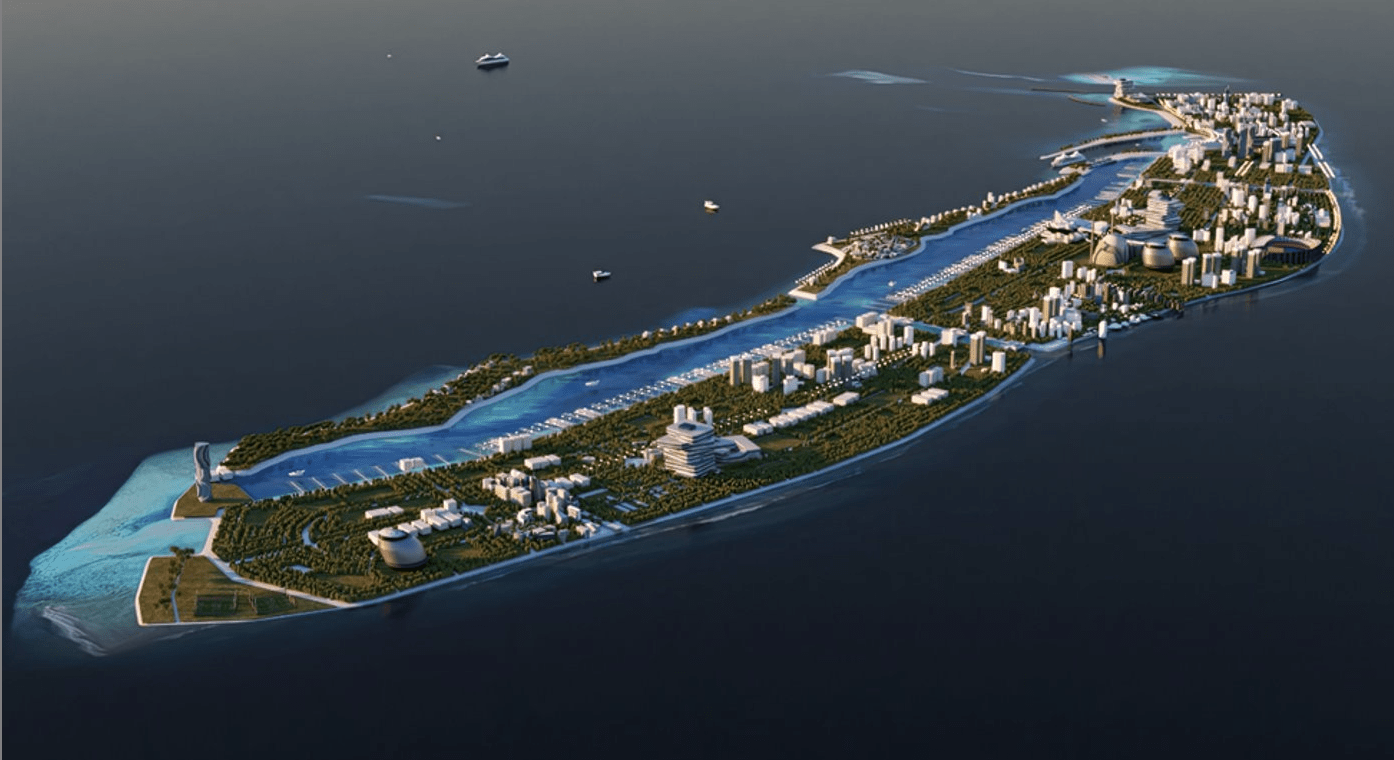
RasMale is emerging as one of the most ambitious urban infrastructure initiatives in the Maldives. Situated in the Fushi Dhiggaru Lagoon, just minutes from Mal, it is conceived as a climate-resilient, zero-carbon eco city that will play a central role in meeting the country’s long-term housing and urbanization needs.
A New Urban Chapter for the Maldives
The RasMale masterplan foresees a fully integrated, smart and sustainable urban settlement. At full build-out, the city is expected to accommodate approximately 65,000 housing units across diverse typologies, supporting a mix of residential, commercial and community functions. This scale marks Ras Mal as the largest single land reclamation and planned urban development effort in the country’s history.
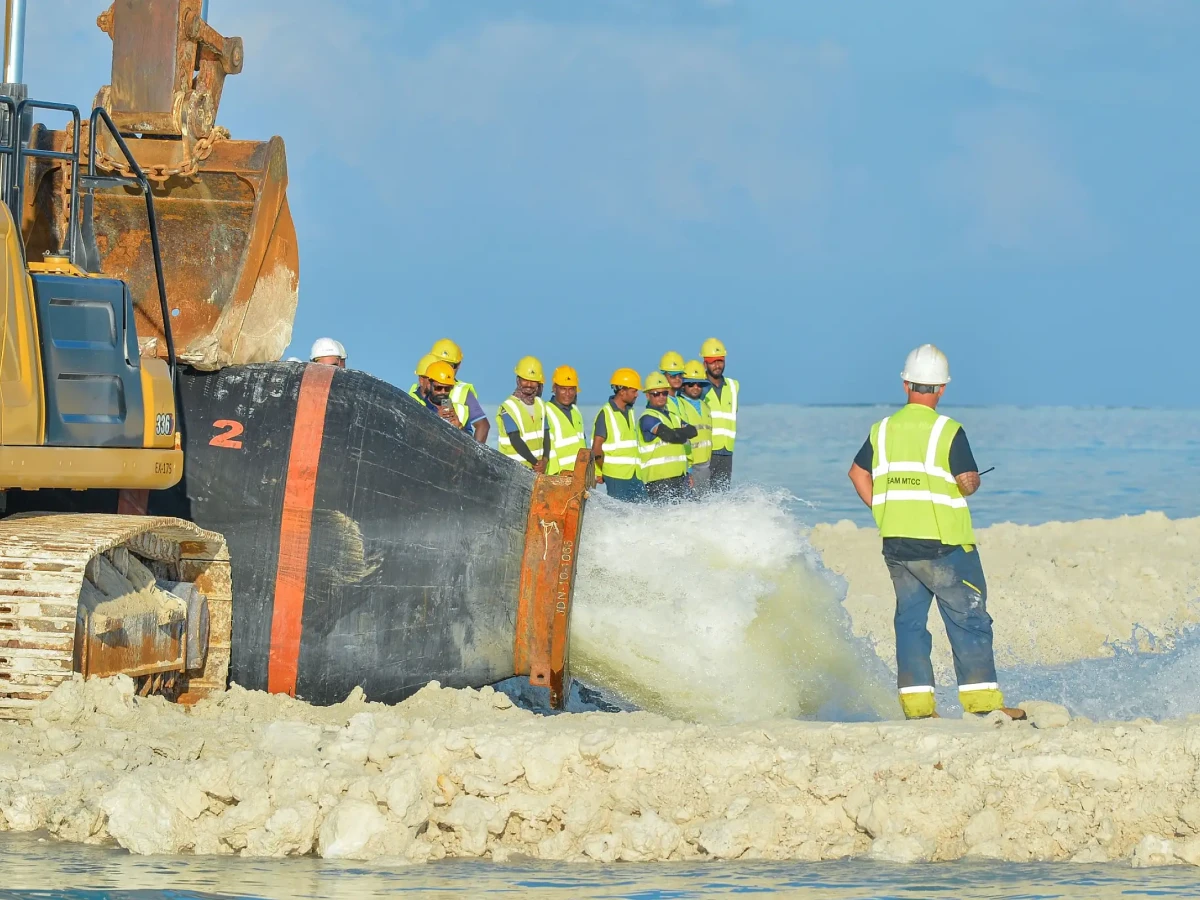
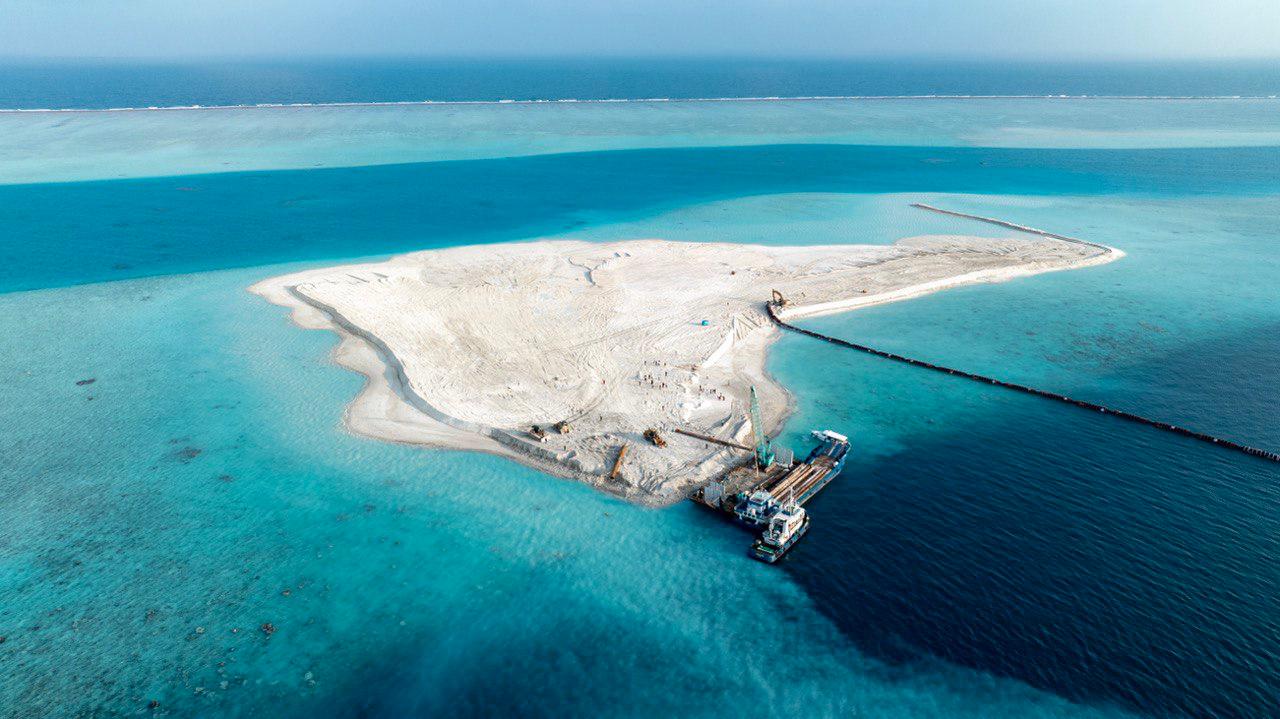
With 116 hectares already reclaimed, the focus has now shifted to the next phase: reclaiming a further 1,153 hectares of land and delivering comprehensive shore protection. Together, these works will establish the physical platform for a future-proof city designed around safe island principles and sustainable growth.
Building a Climate-Resilient Platform
- Elevated reclamation levels – The new land is planned to be raised to 3 meters above mean sea level, providing an enhanced level of protection against sea-level rise and extreme weather events.
- Integrated shore protection – Coastal defenses are being designed to balance long-term durability with the creation of accessible, high-quality recreational beaches for residents and visitors.
- Prepared for sustainable infrastructure – Land preparation activities are aligned with zero-carbon, safe island principles, enabling the integration of resilient infrastructure, public spaces and mobility systems from the outset.
National Significance and Urban Impact
Beyond its technical scope, Ras Mal carries major strategic importance for the Maldives. By expanding the supply of housing and rebalancing growth away from existing urban centers, the project is positioned to ease pressure on Greater Mal while opening up new opportunities for sustainable, well-planned urban living.
The initiative also signals a broader shift towards large-scale, masterplanned developments that integrate climate adaptation, coastal protection and socio-economic objectives in a single framework. With its unprecedented land area – nearly three times the combined size of Hulhumal Phase I and II – Ras Mal stands out as a reference point for future urban and coastal projects in the country.
Framing the Next Phase of Development
As reclamation and shore protection works advance, the foundations are being laid for the next generation of housing, infrastructure and community facilities in Ras Mal. The project illustrates how thoughtful planning, resilient engineering and long-term vision can come together to create a new urban chapter for the Maldives.
Over the coming years, the continued development of Ras Mal will not only reshape the physical landscape, but also contribute to a wider transformation in how urban growth, climate resilience and national development are approached across the archipelago.