Ras Male Development Explained: Size, Housing Plans and Timeline
The Ras Malé development is one of the most ambitious urban expansion projects in the Maldives. Designed as a modern eco city, Ras Malé aims to address the country’s growing housing demand while creating a sustainable and well-planned urban environment.
Located just minutes away from the capital city of Malé, the new city is being created through large-scale land reclamation in the Fushi Dhiggaru Lagoon. Once completed, Ras Malé will provide thousands of housing units, modern infrastructure, and new economic opportunities for residents.
With a planned land area of approximately 1,150 hectares, Ras Malé is expected to become one of the largest land reclamation projects ever undertaken in the Maldives.
Overview of the Ras Malé Project
The Ras Malé eco city project is designed to expand the Greater Malé Region and provide long-term solutions to the country’s housing shortage. As the population of Malé continues to grow, available land has become extremely limited.
To solve this issue, the government has focused on creating new urban spaces through land reclamation. Ras Malé represents the next stage of this strategy following the development of Hulhumalé.
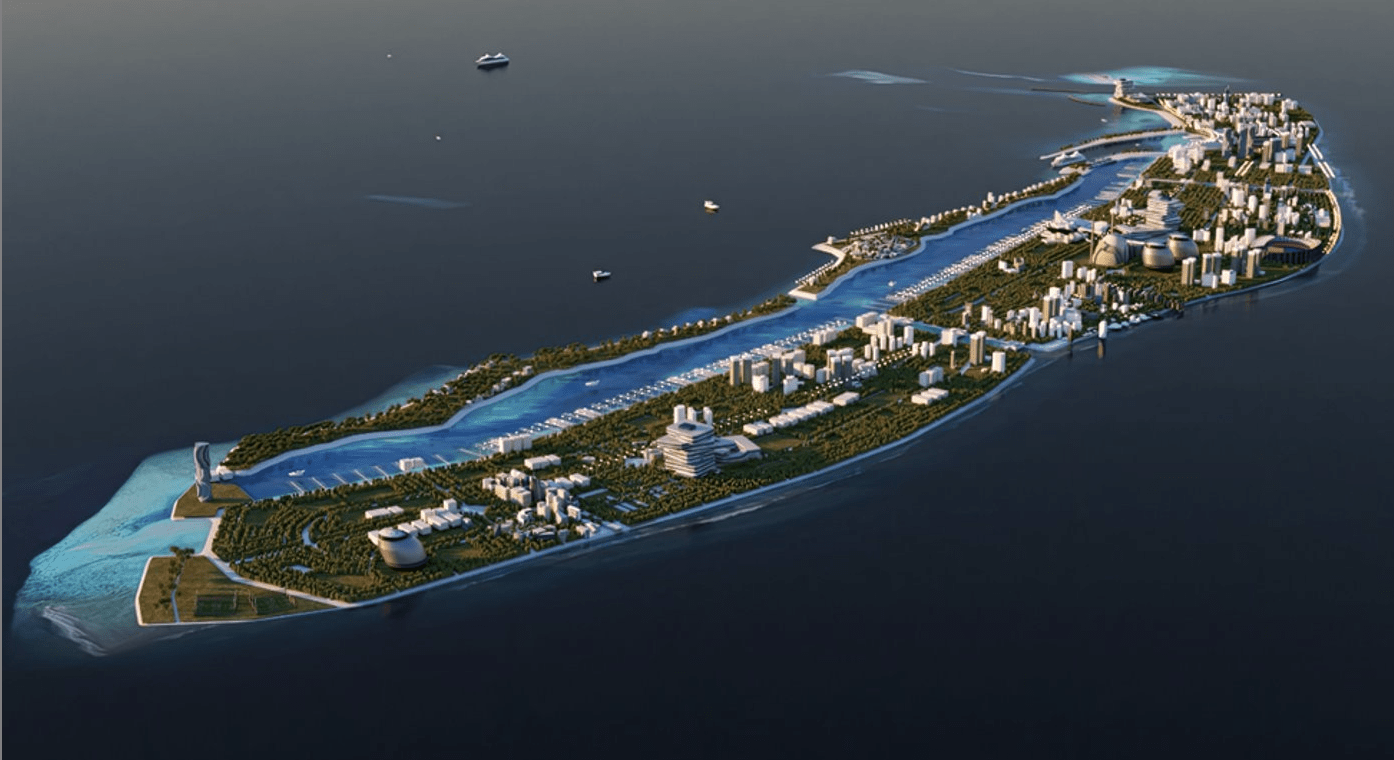
The new city is expected to include residential communities, commercial zones, public facilities, and modern infrastructure systems designed to support a large population.
Total Size of the Ras Malé Development
The scale of the Ras Malé project is one of its most notable features. The total development area covers approximately 1,150 hectares of reclaimed land.
This massive land area allows urban planners to design a fully functional city rather than simply creating a small residential island. The development will include multiple zones dedicated to housing, businesses, education, healthcare, and recreation.
Compared to previous reclamation projects in the Maldives, Ras Malé is significantly larger and offers more room for long-term urban planning.
Current Land Reclamation Progress
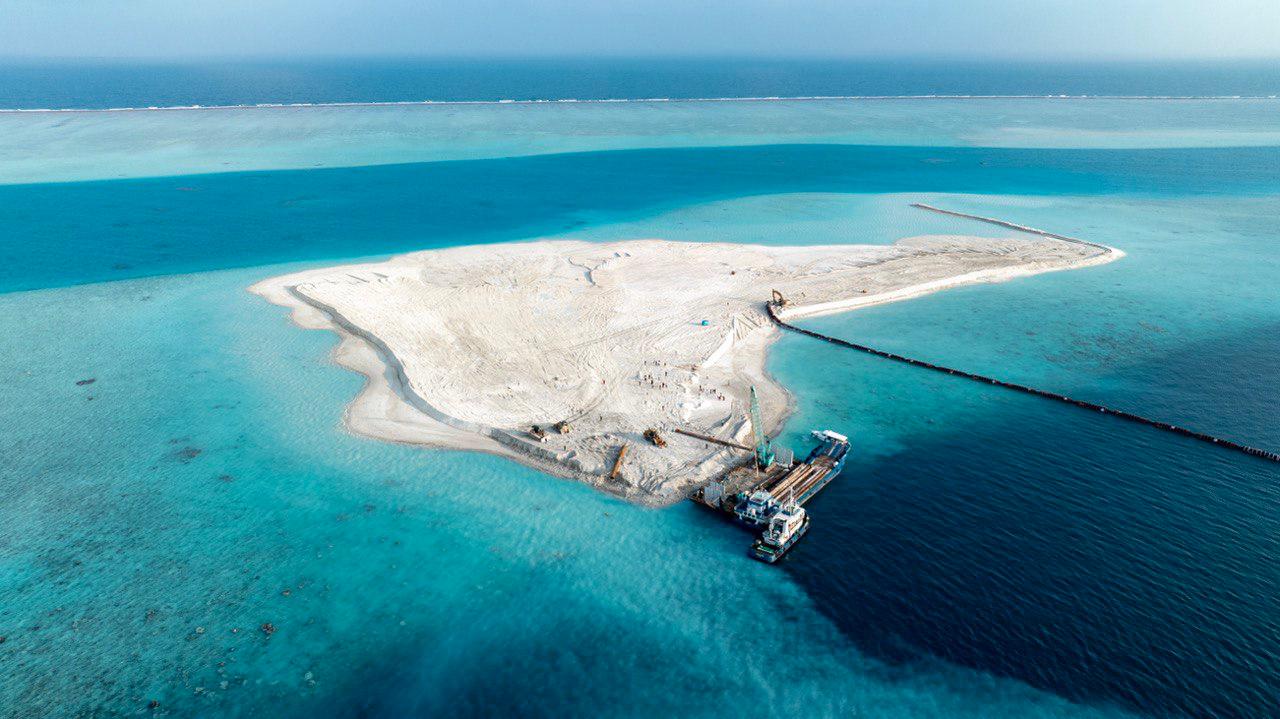
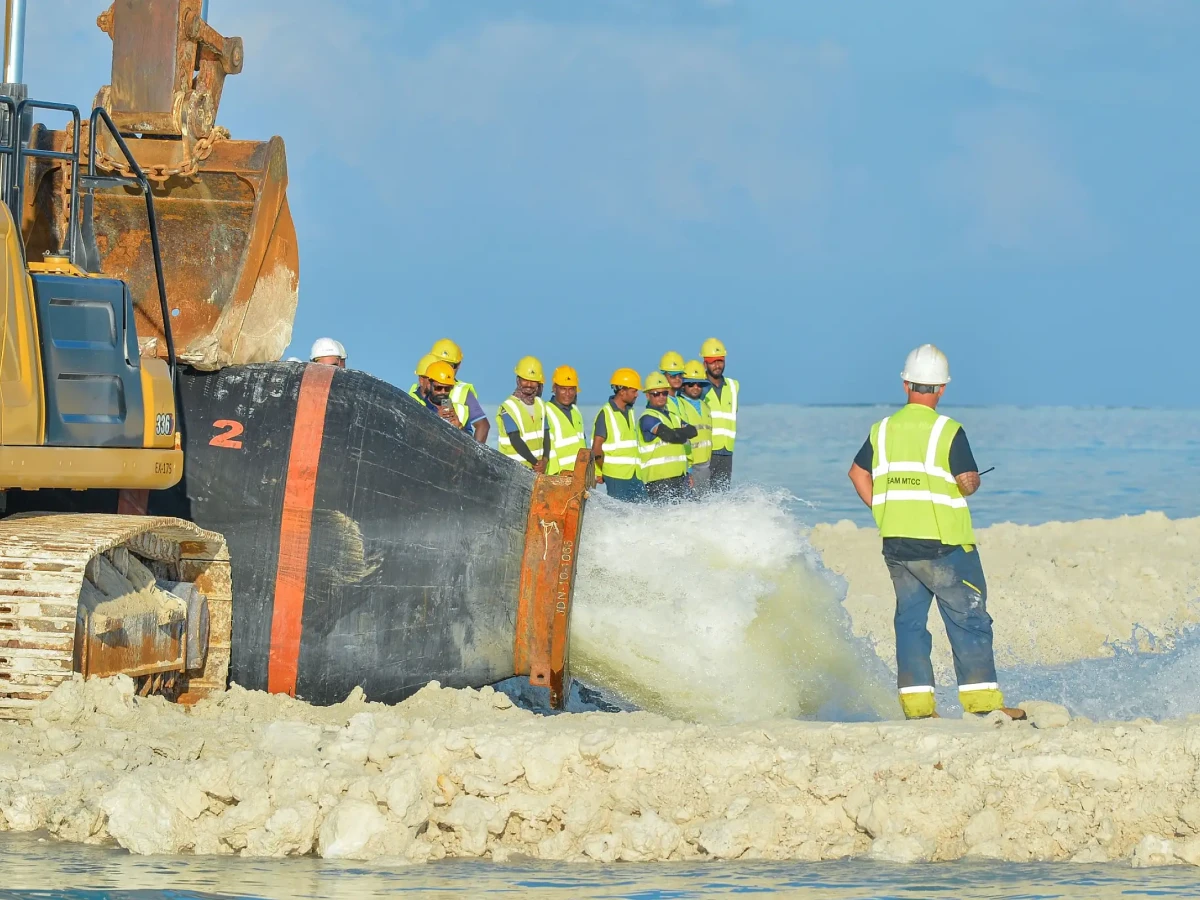
Land reclamation is the first phase of the Ras Malé development. This process involves filling lagoon areas with sand to create stable land suitable for construction.
According to available project data, significant progress has already been made in reclaiming land for the new city.
- Total Development Area: 1,150 hectares
- Reclaimed Land: 355.3 hectares
- Remaining Area: 794.7 hectares
- Completion Percentage: Approximately 30.9%
As reclamation work continues, more land will become available for infrastructure development and construction.
Housing Plans for Ras Malé
One of the main objectives of the Ras Malé development is to provide large-scale housing solutions for the Maldives.
The project aims to deliver approximately 65,000 housing units once development is completed. These housing units will accommodate a large number of residents currently living in overcrowded areas of Malé and nearby islands.
The residential developments may include:
- High-rise apartment complexes
- Affordable housing units
- Mixed-use residential communities
- Modern residential neighborhoods
By providing thousands of new homes, Ras Malé is expected to significantly reduce the housing shortage in the Greater Malé Region.
Infrastructure and Urban Planning
Unlike traditional cities that develop gradually over time, Ras Malé is being designed as a fully planned urban environment. This allows planners to integrate infrastructure and services directly into the city’s layout.
Key infrastructure features may include:
- Wide road networks for transportation
- Reliable water and electricity systems
- Advanced waste management facilities
- Schools and educational institutions
- Healthcare centers and hospitals
- Public parks and green spaces
These facilities will help ensure that Ras Malé becomes a livable and sustainable city for future generations.
Eco-Friendly Urban Design
The Ras Malé project is often referred to as an eco city because of its focus on environmental sustainability. As climate change continues to affect island nations, sustainable urban planning has become increasingly important.
Eco-friendly features may include energy-efficient buildings, renewable energy systems, improved waste management, and large green public spaces.
By incorporating these environmental considerations, Ras Malé aims to become a modern city that balances development with ecological responsibility.
Economic Impact of the Development
Large infrastructure projects like Ras Malé often generate significant economic benefits. The construction phase alone creates jobs for engineers, construction workers, planners, and other professionals.
As the city develops, additional economic activities will emerge through retail centers, offices, and commercial districts. These developments will contribute to economic growth within the Greater Malé Region.
The project may also attract investors interested in real estate and urban development opportunities.
Expected Development Timeline
Projects of this scale typically take many years to complete. Land reclamation is the first stage, followed by infrastructure construction and residential development.
Once reclamation work reaches a significant milestone, developers can begin building roads, utilities, and public facilities. Housing construction usually begins after essential infrastructure is in place.
While the exact timeline may vary depending on development progress, Ras Malé is expected to gradually evolve into a fully functional city over the coming years.
Future Role of Ras Malé
The Ras Malé eco city development represents a major step forward in the Maldives’ long-term urban planning strategy. As the country continues to grow, new cities will play a critical role in supporting population expansion and economic development.
Once completed, Ras Malé could become one of the largest residential and commercial hubs in the Greater Malé Region.
The city’s modern infrastructure, large land area, and sustainable design will help create a more balanced and organized urban environment.
Conclusion
The Ras Malé development is more than just a land reclamation project. It represents a long-term vision for the future of urban living in the Maldives.
With a planned land area of 1,150 hectares and housing solutions for 65,000 residents, Ras Malé has the potential to transform the Greater Malé Region. As reclamation work continues and infrastructure development progresses, the eco city will gradually take shape.
For residents seeking improved housing opportunities and modern urban living, Ras Malé could become one of the most important cities in the Maldives in the years ahead.